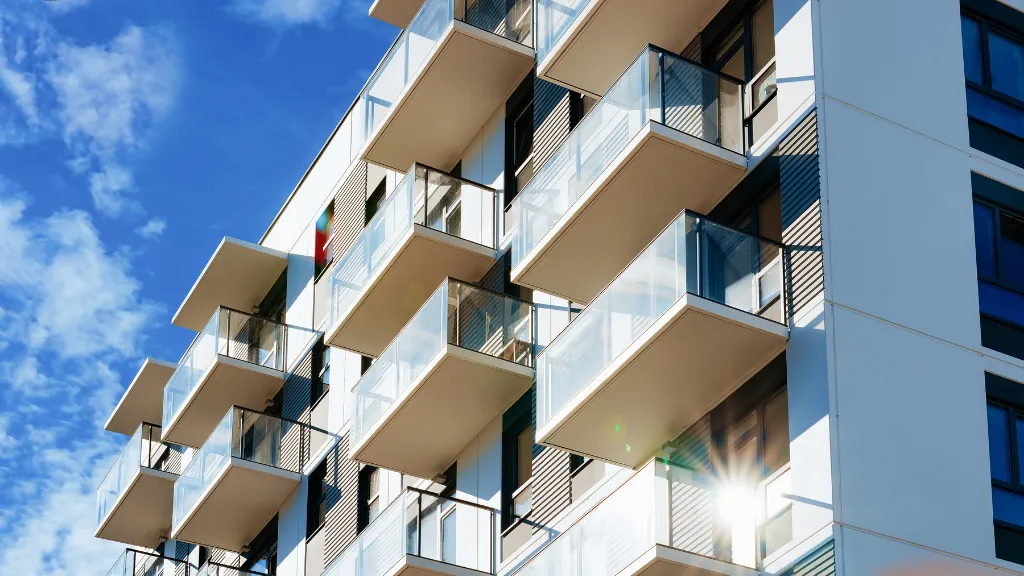
Understanding Commercial Cap Rates and What They Mean for Returns
Understanding Commercial Cap Rates and What They Mean for Returns
When evaluating commercial property, one metric consistently stands out: the capitalization rate, commonly known as the cap rate. For investors exploring Commercial Real Estate Investment in Albany NY, understanding cap rates is essential to assessing both risk and return potential.
Cap rates provide a quick snapshot of a property’s income performance relative to its purchase price. However, they must be interpreted within the context of location, asset type, and market conditions. Let’s break down what cap rates mean and how they influence commercial investing decisions.

How Cap Rates Impact Commercial Real Estate Investment in Albany NY
Cap rates are calculated by dividing a property’s net operating income (NOI) by its purchase price. This percentage represents the unleveraged return an investor might expect.
In Commercial Real Estate Investment in Albany NY, cap rates vary based on property type, tenant stability, and location.
Lower Cap Rates and Stability
Lower cap rates often signal:
Strong tenant quality
Prime locations
Long-term lease agreements
Lower perceived risk
For example, an office building investment Albany NY with a government tenant may trade at a lower cap rate due to predictable income.
Higher Cap Rates and Risk Profile
Higher cap rates may indicate:
Value-add opportunities
Shorter lease terms
Increased vacancy risk
Secondary locations
In commercial real estate investing Albany NY, higher cap rates can offer stronger income potential but may require more active oversight.
Understanding this balance helps investors evaluate whether projected returns align with their risk tolerance.
Market Context in Commercial Real Estate Investment in Albany NY
Cap rates do not exist in isolation. Market conditions heavily influence what is considered competitive in Commercial Real Estate Investment in Albany NY.
Comparing Asset Classes
Different property types carry different cap rate expectations:
Retail property investment Albany NY may vary based on tenant mix and foot traffic.
Office properties depend on lease length and economic demand.
Mixed-use assets may fall somewhere in between.
Comparing similar properties in the same submarket provides better clarity than using national averages.
Interest Rates and Financing Environment
When interest rates rise, cap rates often adjust upward. Investors pursuing commercial property investment Albany NY must monitor financing costs, as they influence property valuation and investor expectations.
A disciplined investor reviews cap rates alongside debt terms to determine overall return potential.
Long-Term Appreciation Considerations
Cap rates primarily measure current income, not future growth. A slightly lower cap rate in a high-demand area may outperform a higher cap rate asset in a weaker submarket over time.
Working with a commercial real estate investment firm Albany NY can help investors interpret these variables accurately.
Using Cap Rates Strategically in Commercial Real Estate Investment in Albany NY
Cap rates should guide decisions — not dictate them. Strong Commercial Real Estate Investment in Albany NY strategies combine cap rate analysis with broader financial modeling.
Stress Testing and Scenario Planning
Before committing capital, investors should model:
Vacancy fluctuations
Rent adjustments
Interest rate changes
Unexpected capital expenses
Stress testing ensures returns remain viable even under less favorable conditions.
Aligning Cap Rates With Investment Goals
If you prioritize stability and income consistency, lower cap rate properties may align better with your objectives.
If you seek value-add growth and are comfortable with additional oversight, higher cap rate assets may offer stronger upside potential.
Ultimately, cap rates are one piece of a comprehensive investment analysis.
Frequently Asked Questions About Commercial Real Estate Investment in Albany NY
1. What is a cap rate in Commercial Real Estate Investment in Albany NY?
It is the ratio of a property’s net operating income to its purchase price, expressed as a percentage.
2. Are higher cap rates always better?
Not necessarily. Higher cap rates may signal greater risk, while lower cap rates often indicate stability and stronger tenant quality.
3. How do cap rates differ between office building investment Albany NY and retail property investment Albany NY?
Each asset class carries unique risk profiles, lease structures, and market demand factors that influence cap rate expectations.
4. Should I rely only on cap rate when analyzing commercial property investment Albany NY?
No. Cap rates should be evaluated alongside financing terms, lease structure, tenant strength, and market conditions.
5. Can a commercial real estate investment firm Albany NY help interpret cap rates?
Yes. Experienced firms provide context, comparative data, and financial modeling to ensure informed decisions.
Ready to Evaluate Commercial Opportunities With Confidence?
At Hamel Real Estate, we guide investors through detailed financial analysis, including cap rate evaluation and comprehensive market assessment. If you’re considering Commercial Real Estate Investment in Albany NY, our team provides structured insight to help you make confident, data-driven decisions.
Contact Hamel Real Estate today to explore commercial investment opportunities backed by local expertise.
