How a Small Schenectady 2-Bedroom Rented for $700 Above Market (Without Airbnb).
How a Small Schenectady 2-Bedroom Rented for $700 Above Market (Without Airbnb).
A real Capital Region case study in medium-term rentals - and what every local landlord should
know about it this growing tenant pool.
By Colin Young | Licensed Real Estate Agent, Hamel Real Estate
The Tenant Who Wanted to Pay More
Earlier this year, Saratoga Hospital brought on a traveling nurse for a five-month assignment. Her employer handed her a little over $3,500 a month for housing with a simple rule attached: spend what you need, keep what you don't.
She found our listing on Furnished Finder (a platform built specifically for traveling professionals) within days of it going live. So did three other applicants that same week, all holding similar employer-backed housing per-diem, all looking for the same thing: a clean, furnished place they could move into immediately and actually live in and enjoy. Not a hotel room. Not an Airbnb. A home.
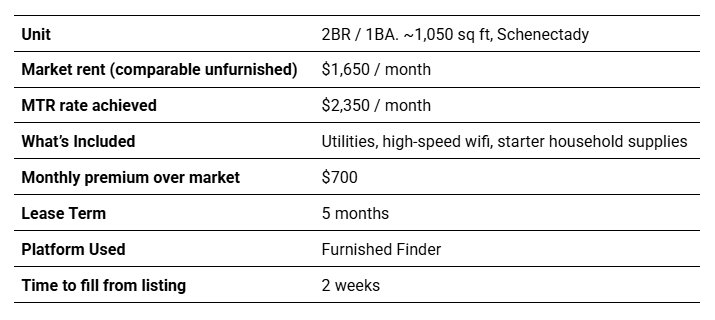
She took the unit. She also took a 40-minute commute each way, when she could have found something closer to the hospital. She made that call because renting our Schenectady apartment at $2,350 a month meant pocketing almost $1,200 of that employer per-diem every single month. Across five months, that would total nearly $5,900 back in her pocket. The commute was a bargain.
Our rent was $700 above what a comparable unfurnished unit rents for in this market. She didn't negotiate. She didn't ask for a discount. She applied within 48 hours of the listing going up.
That's the medium-term rental model in one story.
What Is a Medium-Term Rental?
Most landlords operate in one of two modes: long-term or short-term. Long-term (traditional) being a 12-month lease, unfurnished, market rent, traditional tenant. Short-term (Airbnb/VRBO) having high nightly rates, constant turnover, guests looking for an experience, and anywhere from $5,000-$7,000 upfront to furnish and style the unit like a boutique hotel.
Medium-term rentals sit between those two, and that middle ground is underutilized by most Capital Region landlords. Here's how the full spectrum looks:
Long-term rental: 12-month lease, unfurnished, market rent. Stable, predictable, low day-to-day involvement.
Short-term rental (Airbnb/VRBO): Nightly or weekly bookings. Higher revenue per day, but real management overhead, high guest turnover, and a renter who wants novelty (great decor, amenities, an experience). The setup cost reflects that expectation.
Medium-term rental: Typically 3 to 6-month leases, furnished, utilities included. The tenant is working, not on vacation. They want a move-in ready apartment that functions well and feels like a real home. The lease structure is essentially identical to a traditional tenancy (screening and leasing), but the landlord earns a premium for the shorter term and the furnished, all-inclusive product.
The tenant pool for MTR is larger than most people realize: traveling nurses and healthcare professionals, corporate relocations, contractors on extended job sites, graduate students between leases, professionals in the middle of a home purchase. These are employed, vetted adults with a genuine housing need, and often an employer covering their costs.
The Property - Before
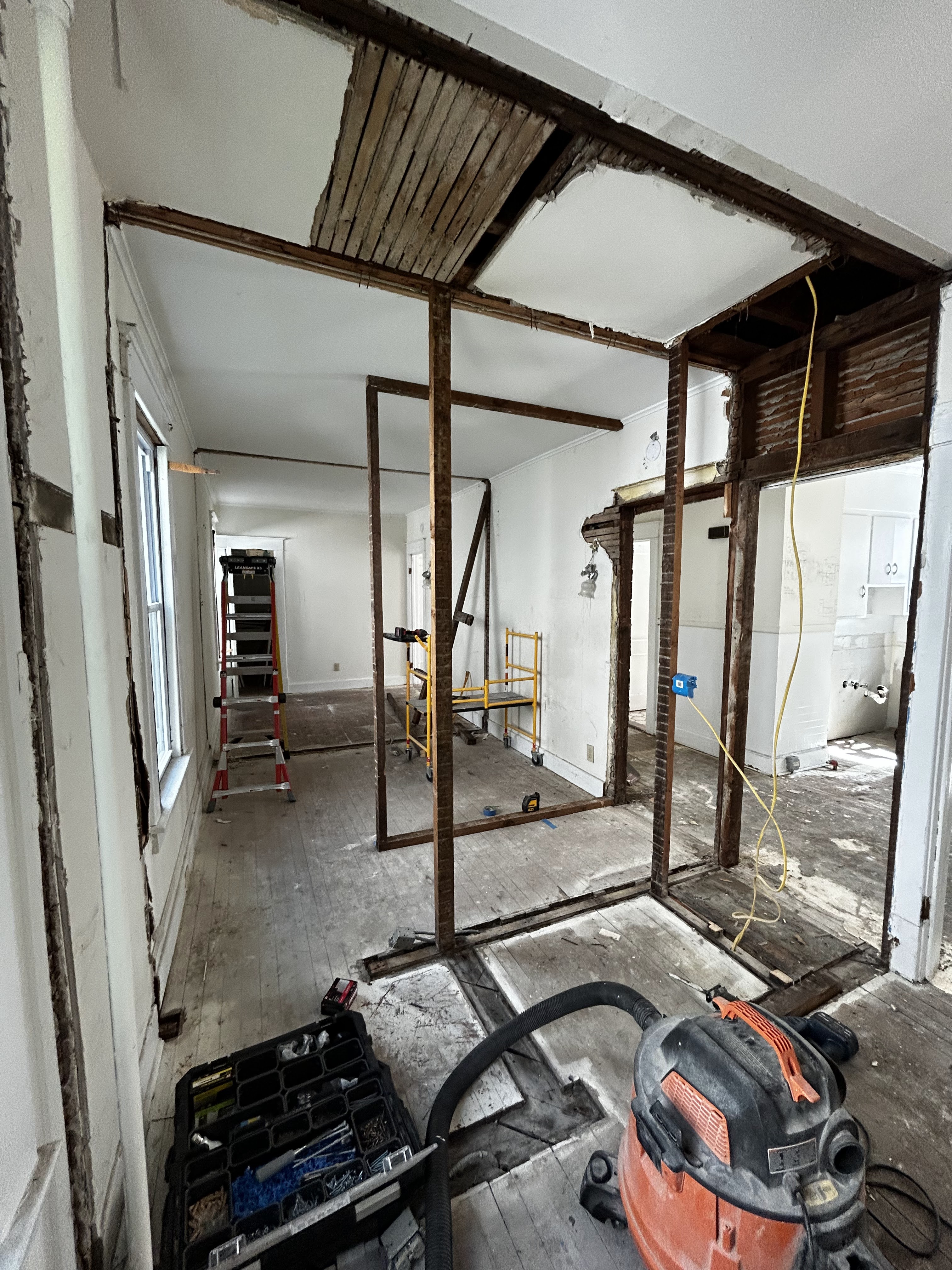
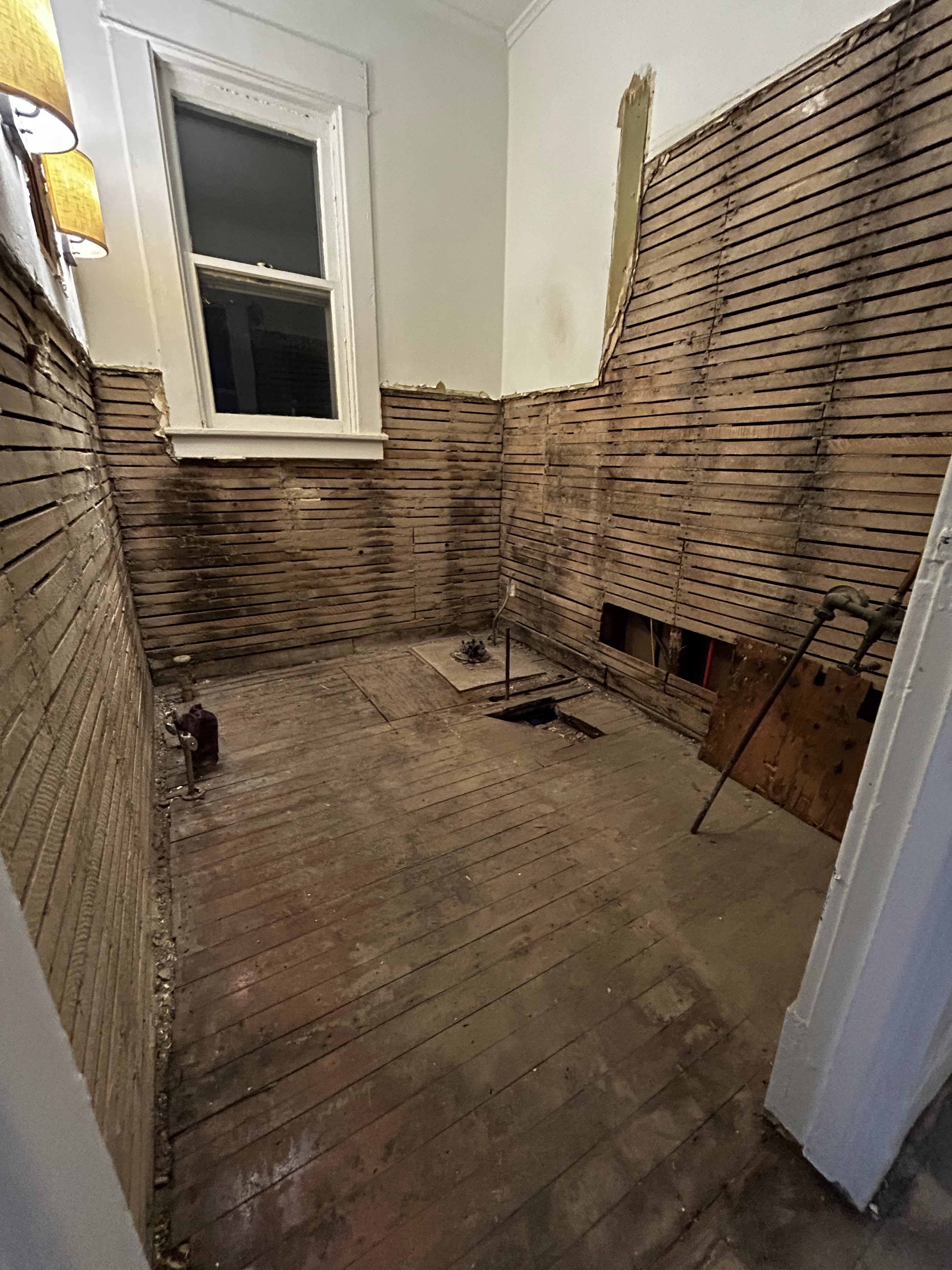
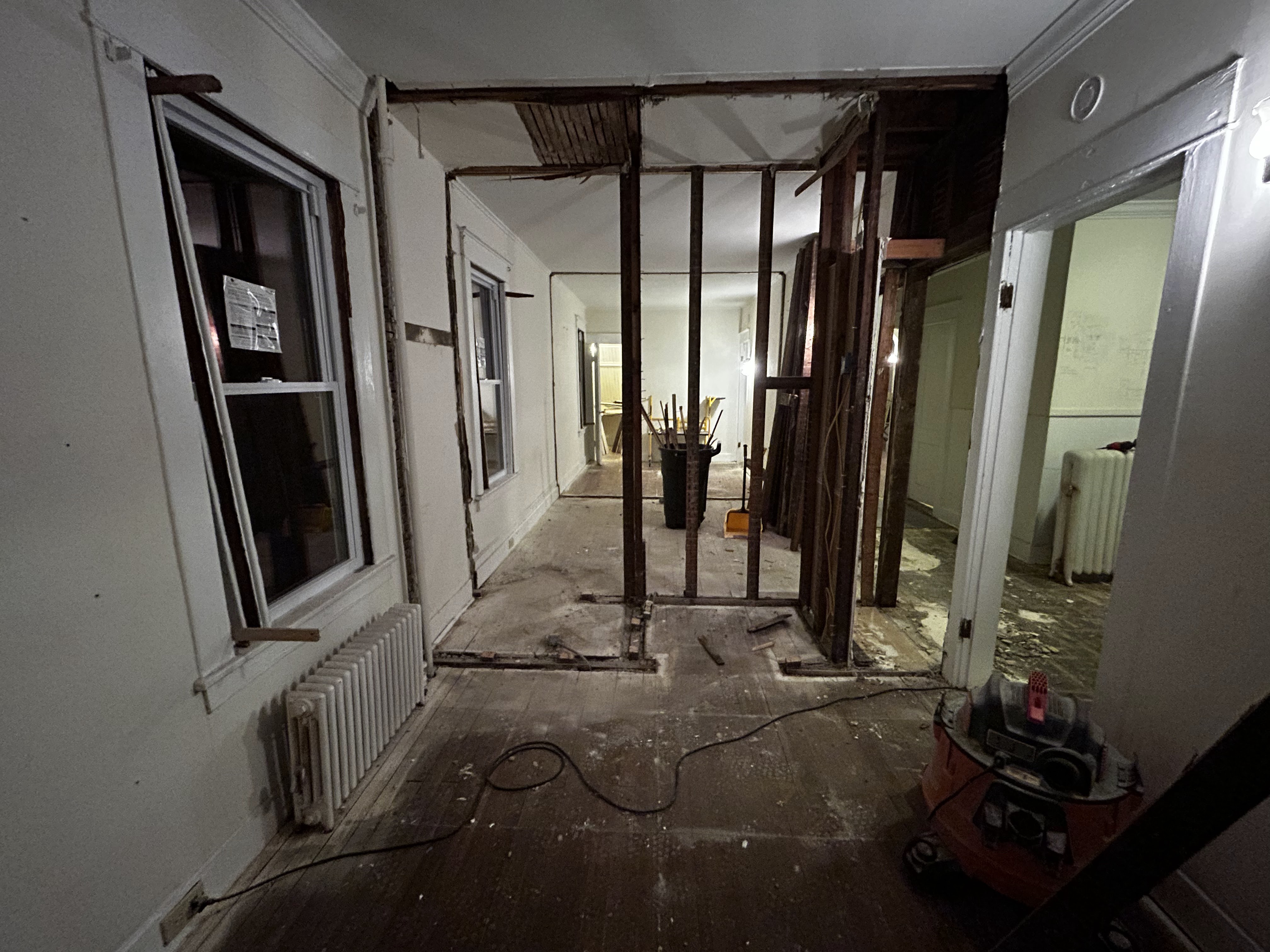
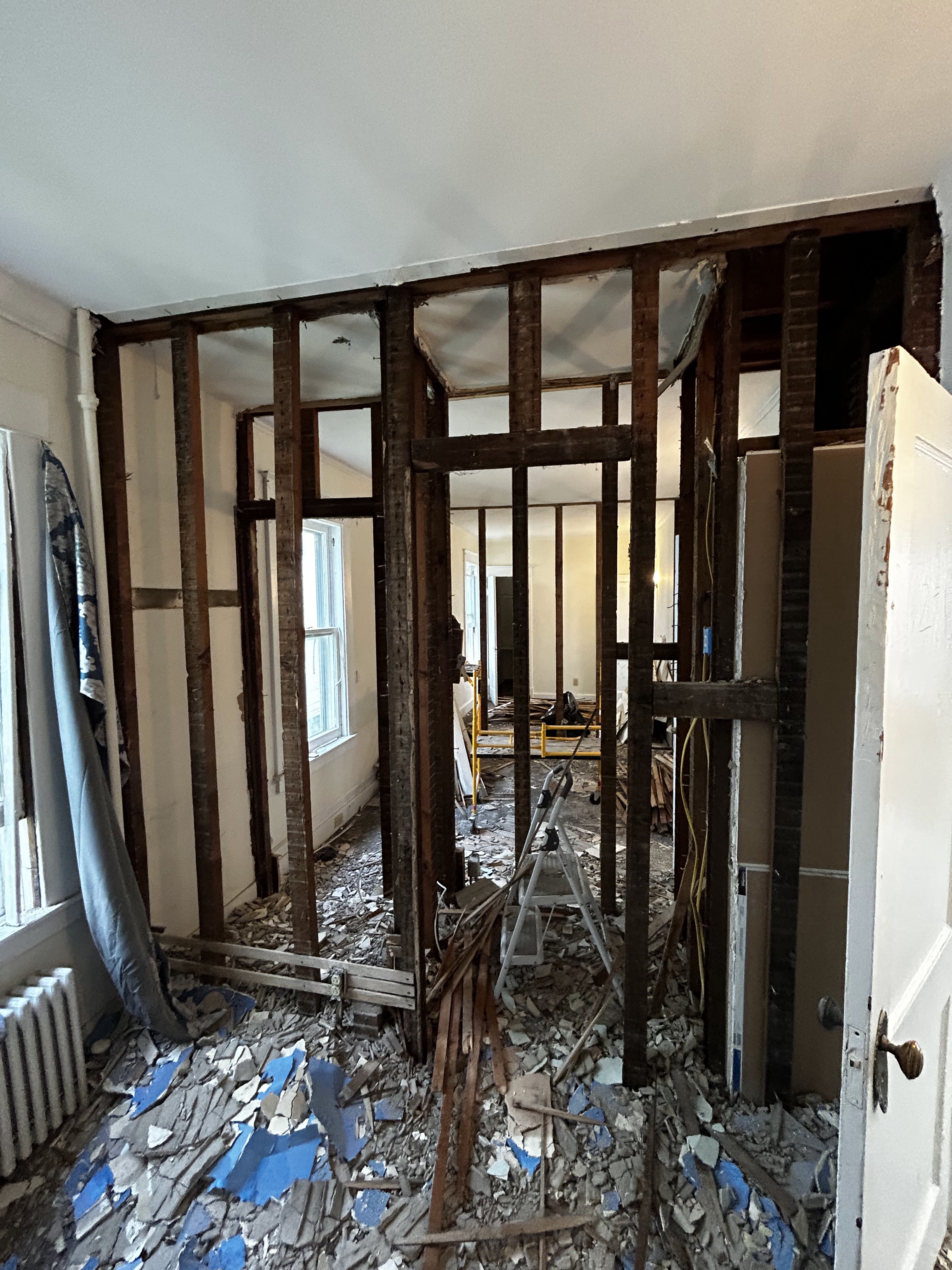
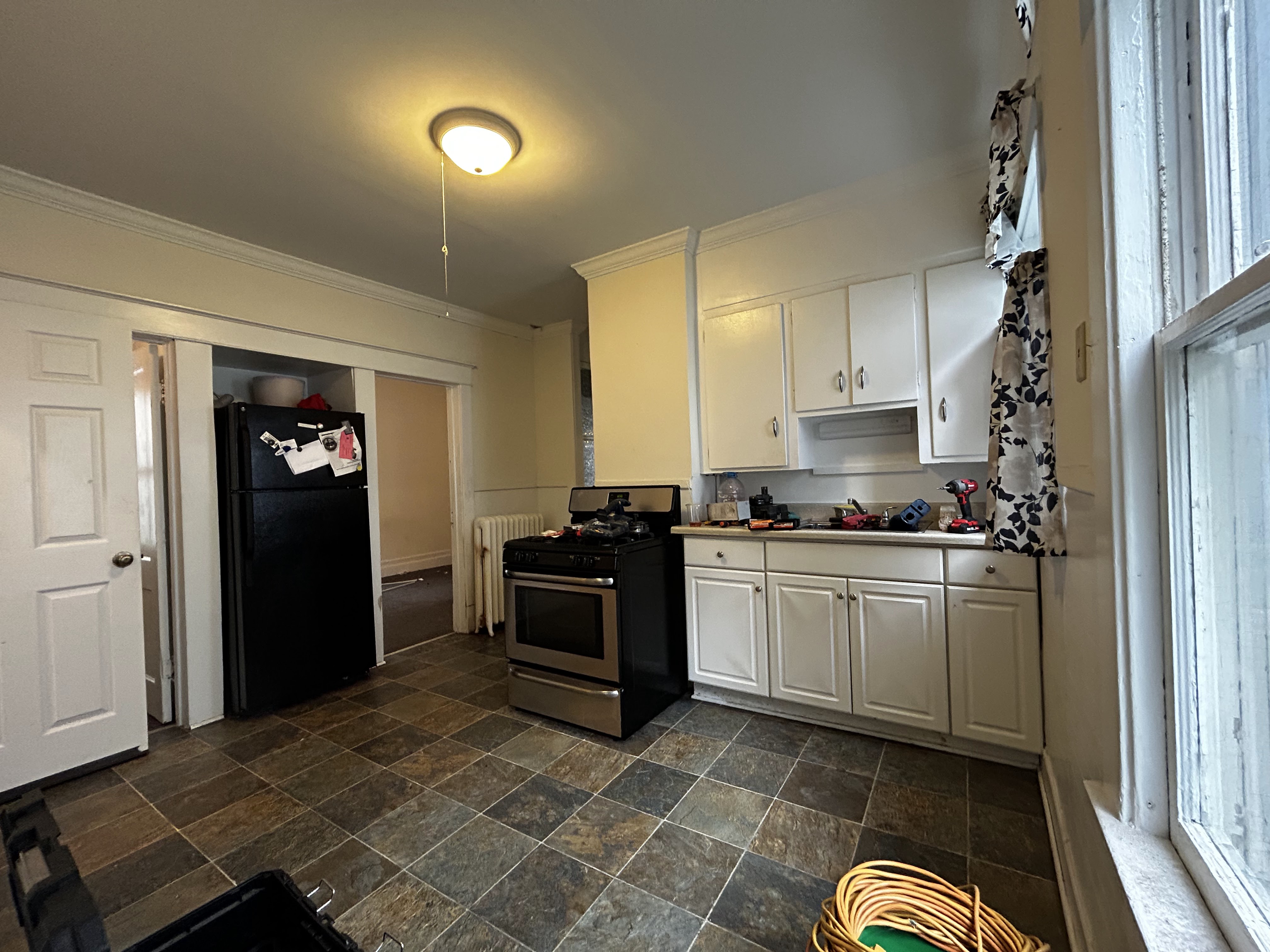
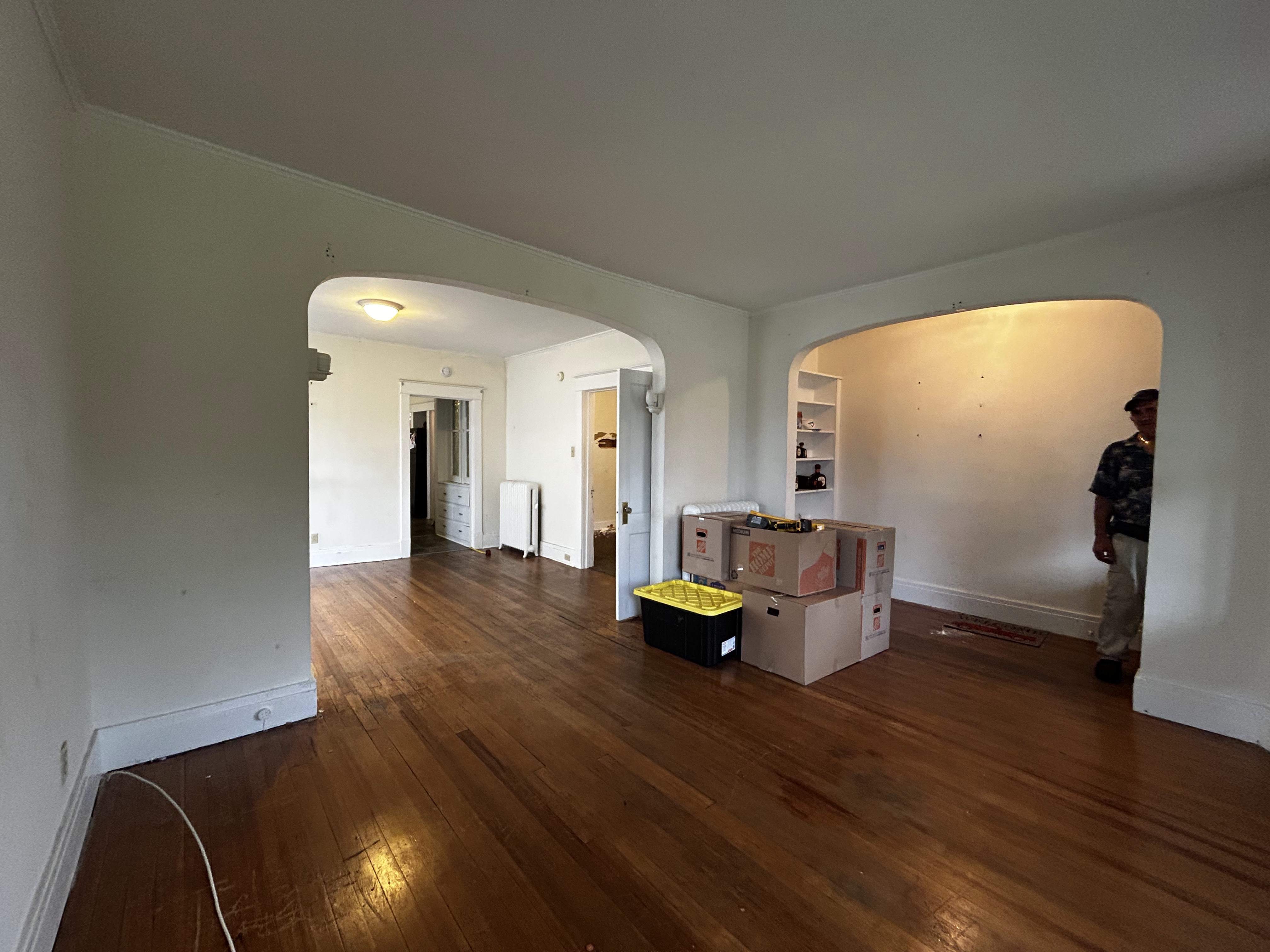
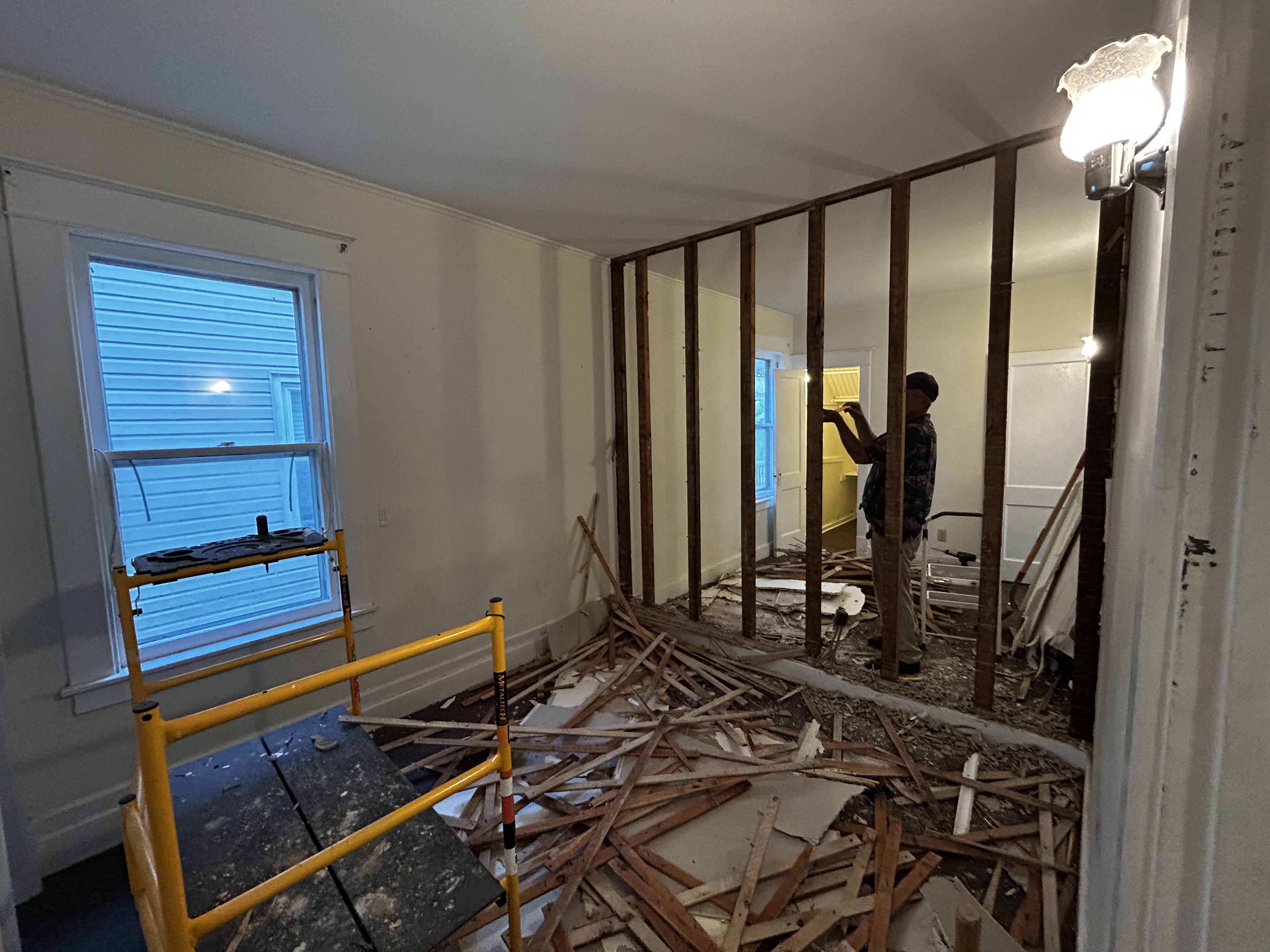
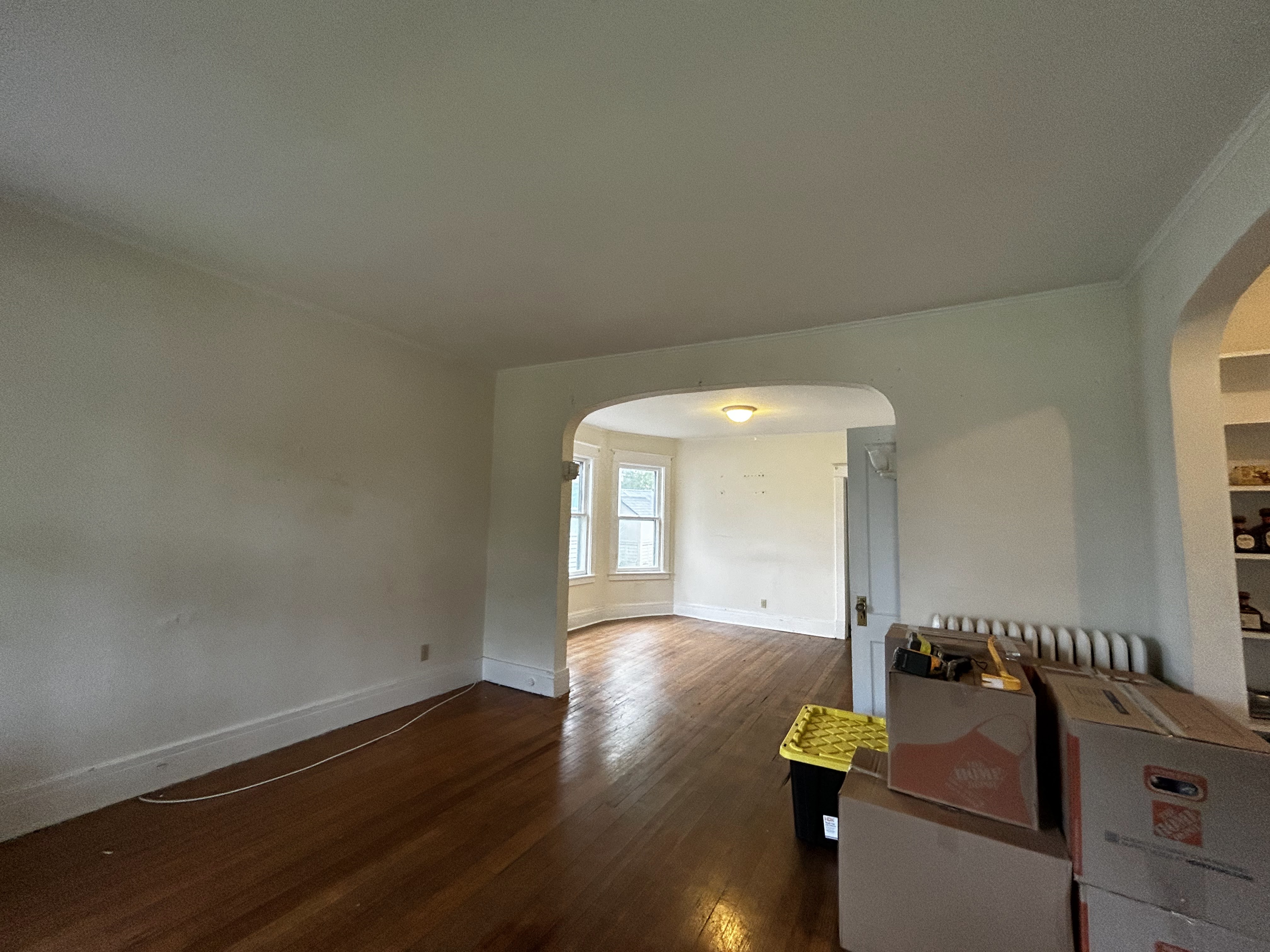
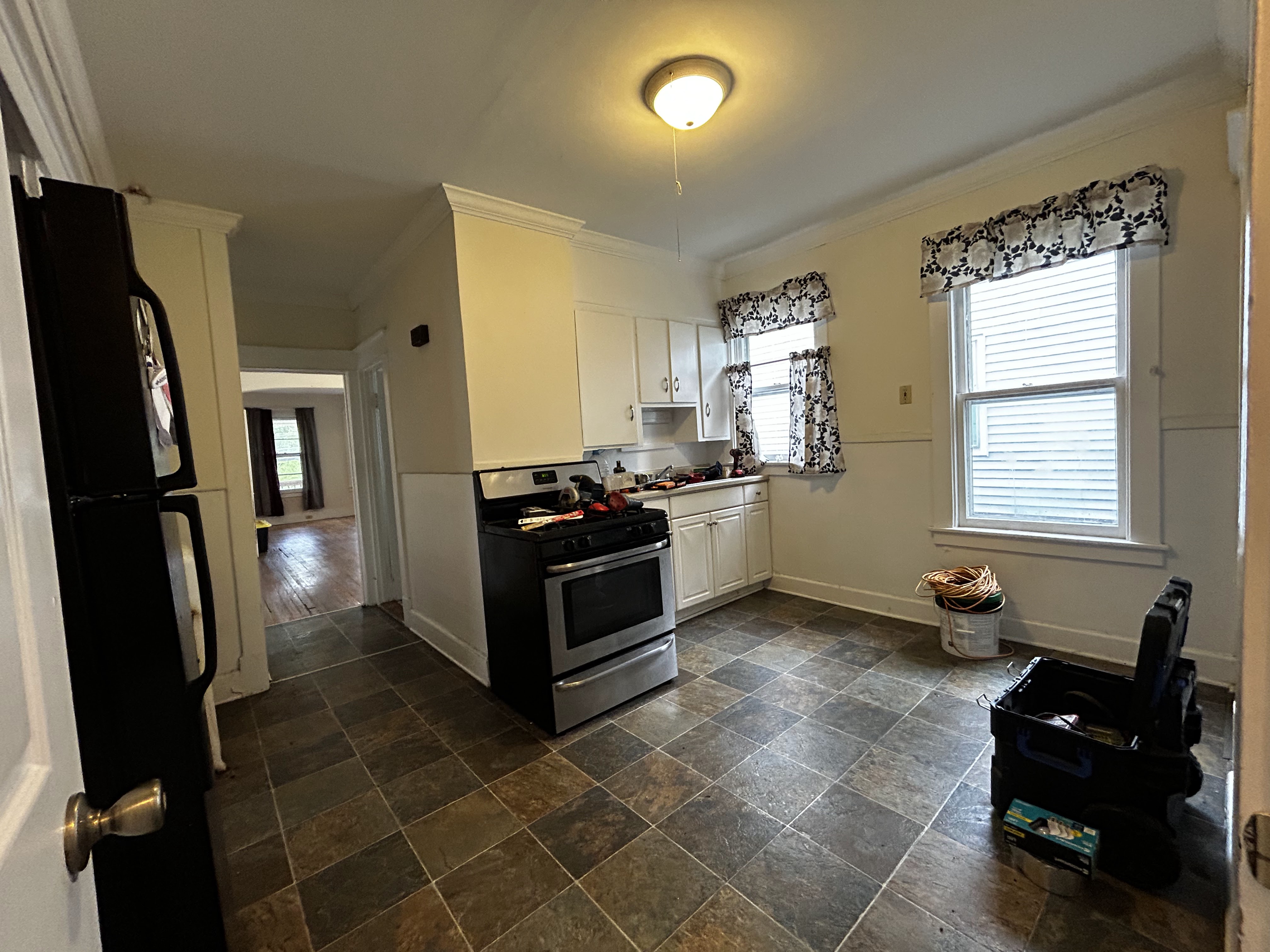
The unit in this case study was a compact three-bedroom, one-bathroom apartment - just over 1,000 square feet - in Schenectady. We had acquired it as part of a value-add investment: purchased at a price that reflected its condition, with the plan to renovate and reposition it.
When we took over the unit, it was dated throughout. Original kitchen and bath, older flooring, and aging fixtures throughout. We made the decision early to convert the floor plan from three undersized bedrooms to two properly proportioned ones. This was a better layout for the tenant profile we were targeting and a more livable use of the square footage.
The full renovation scope included kitchen and bathroom gut-and-rebuild, new flooring, patch and paint, updated lighting package, new doors and hardware, and full window replacement. Work was completed in roughly one month.
Our total renovation cost for this unit came in at approximately $32,000 - a number that reflects the distressed condition we purchased it in, not a baseline anyone with a functioning rental should expect to spend.
The Property - After
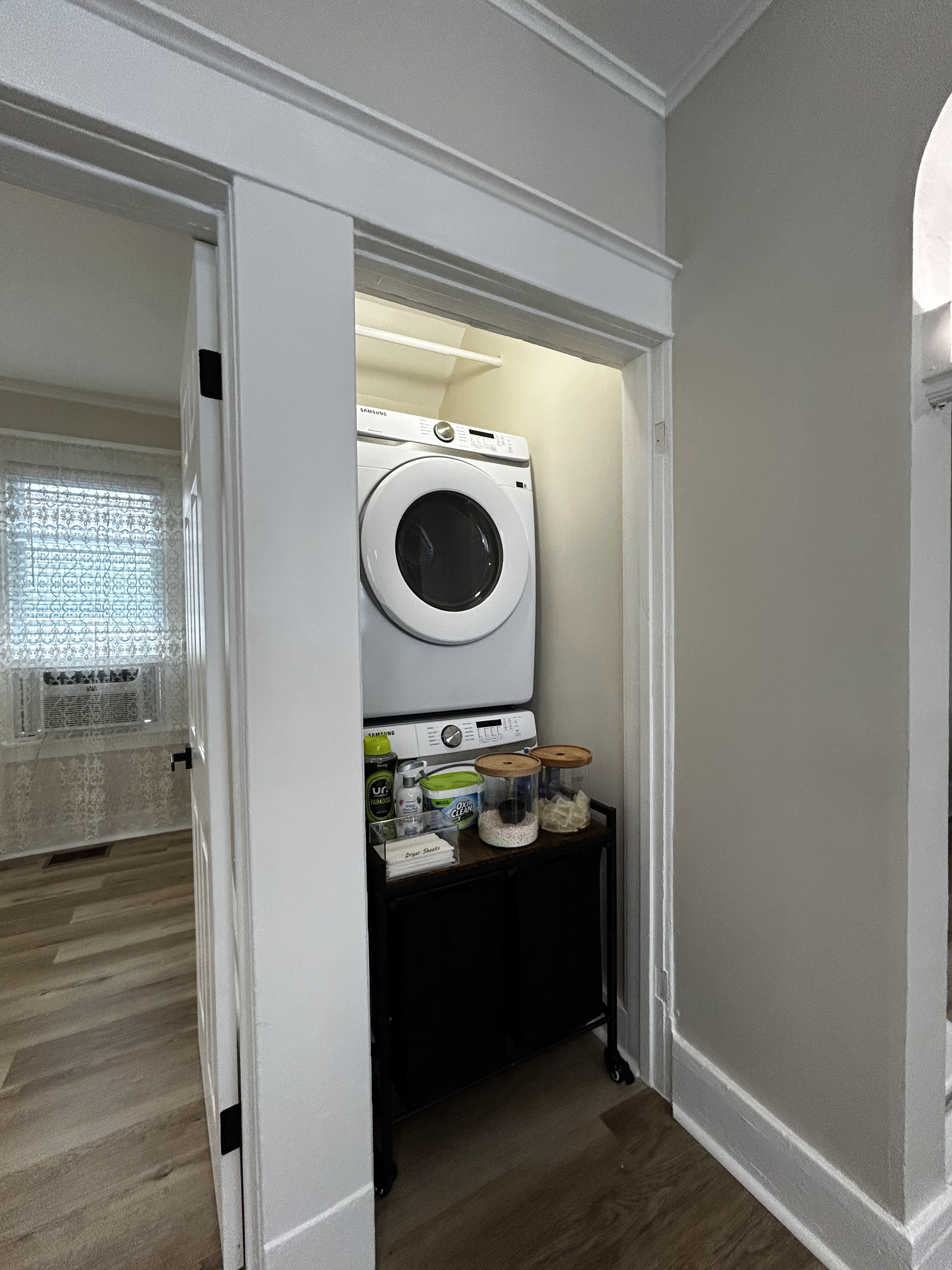
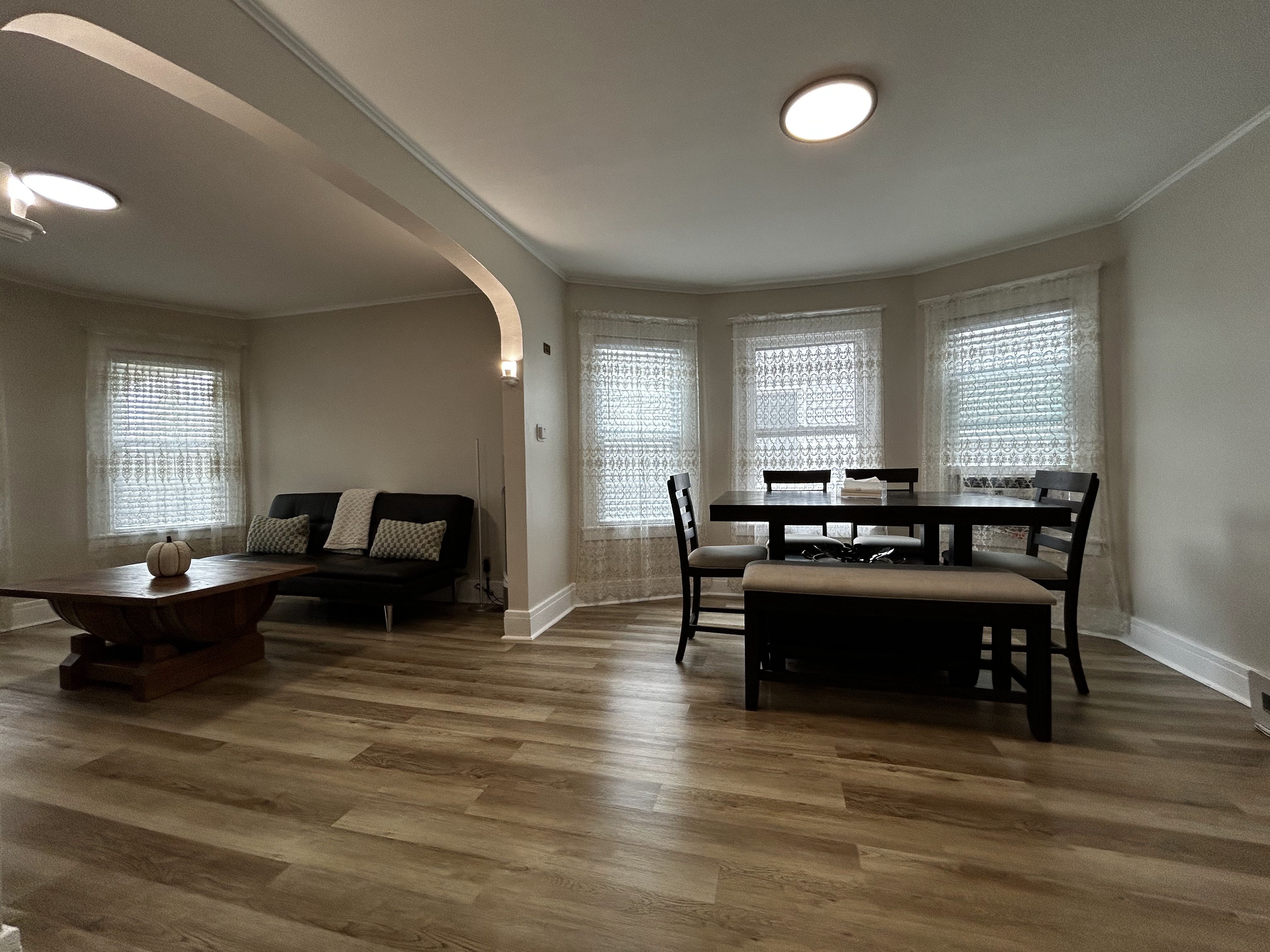
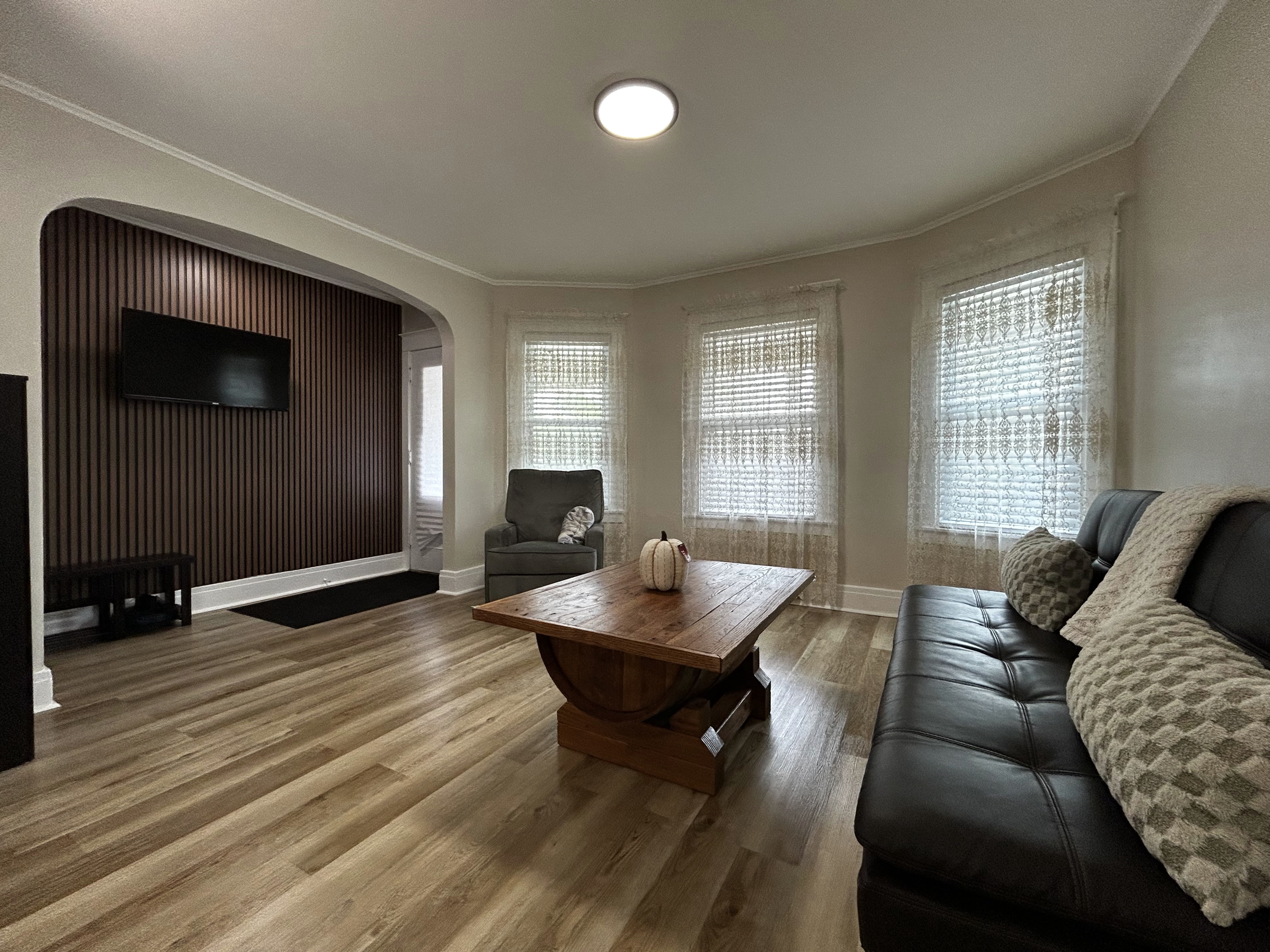
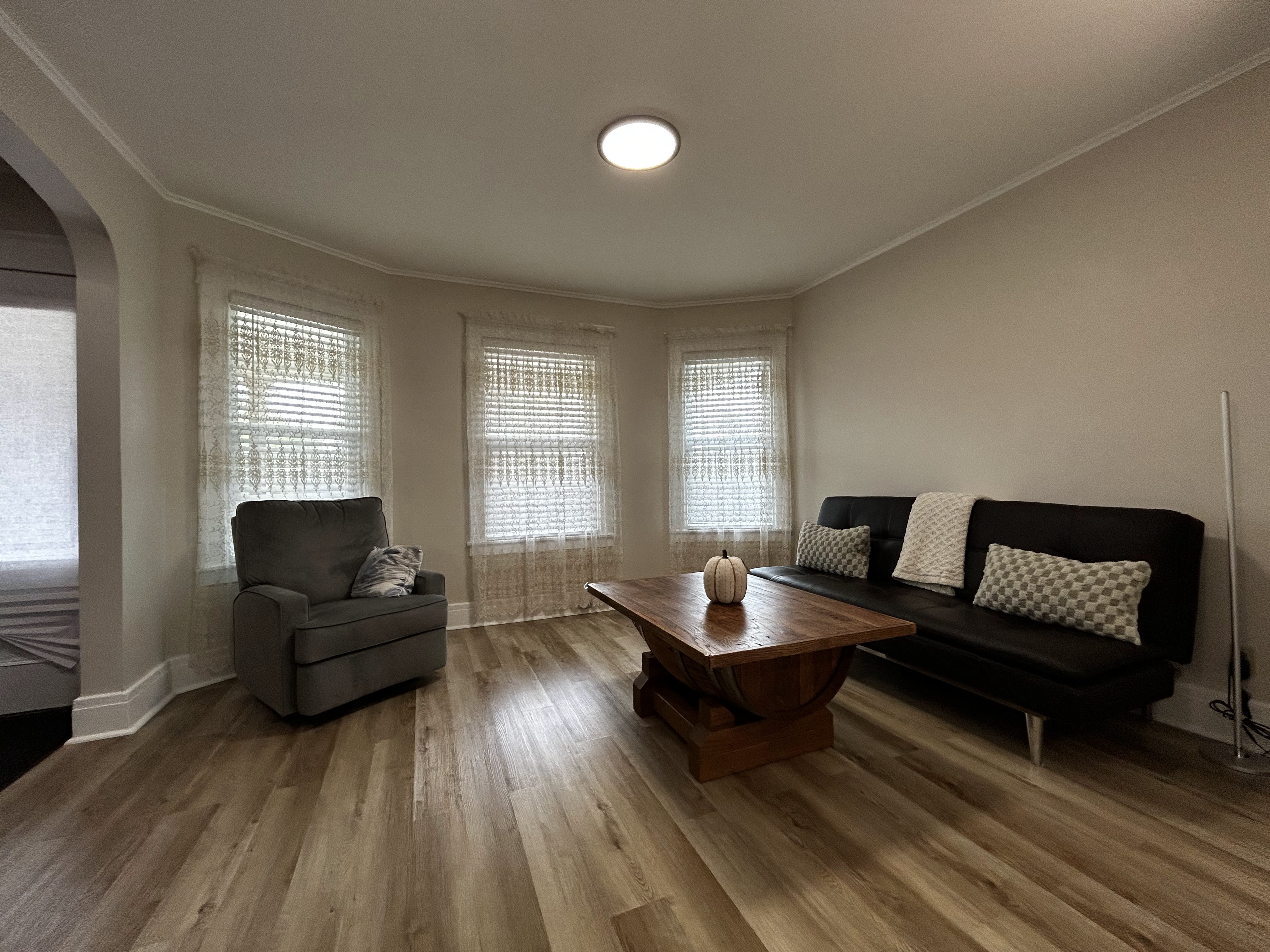
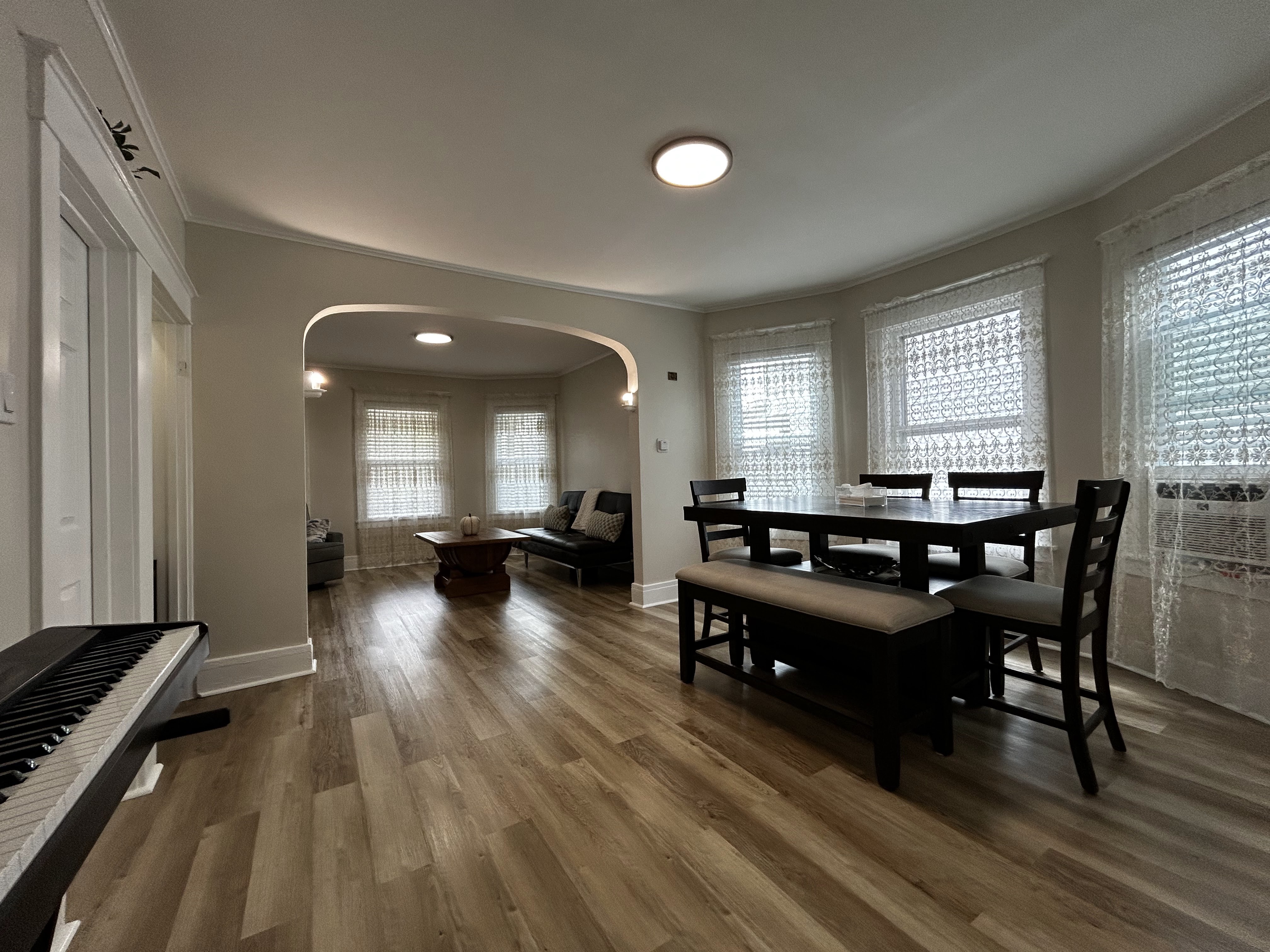
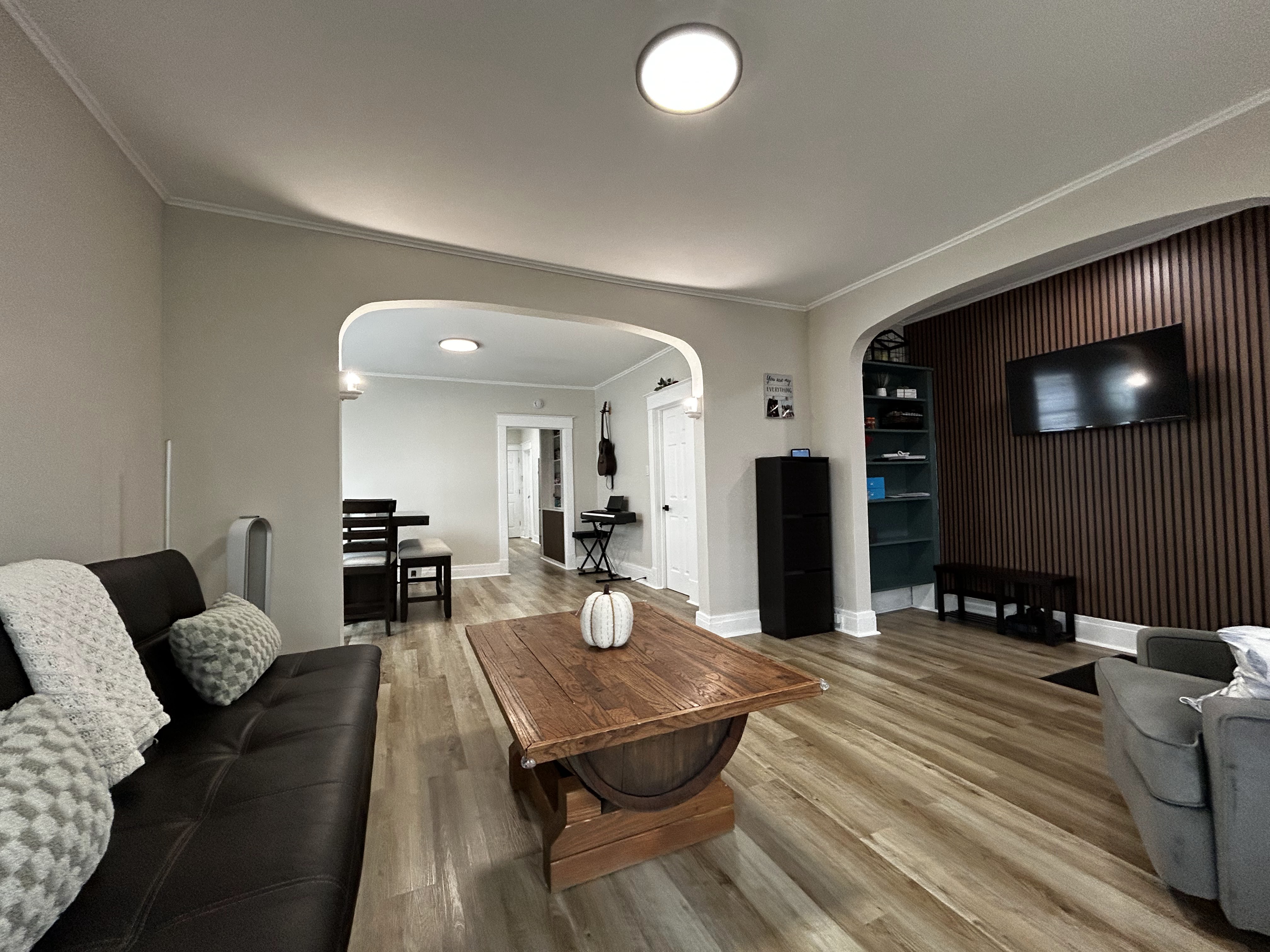
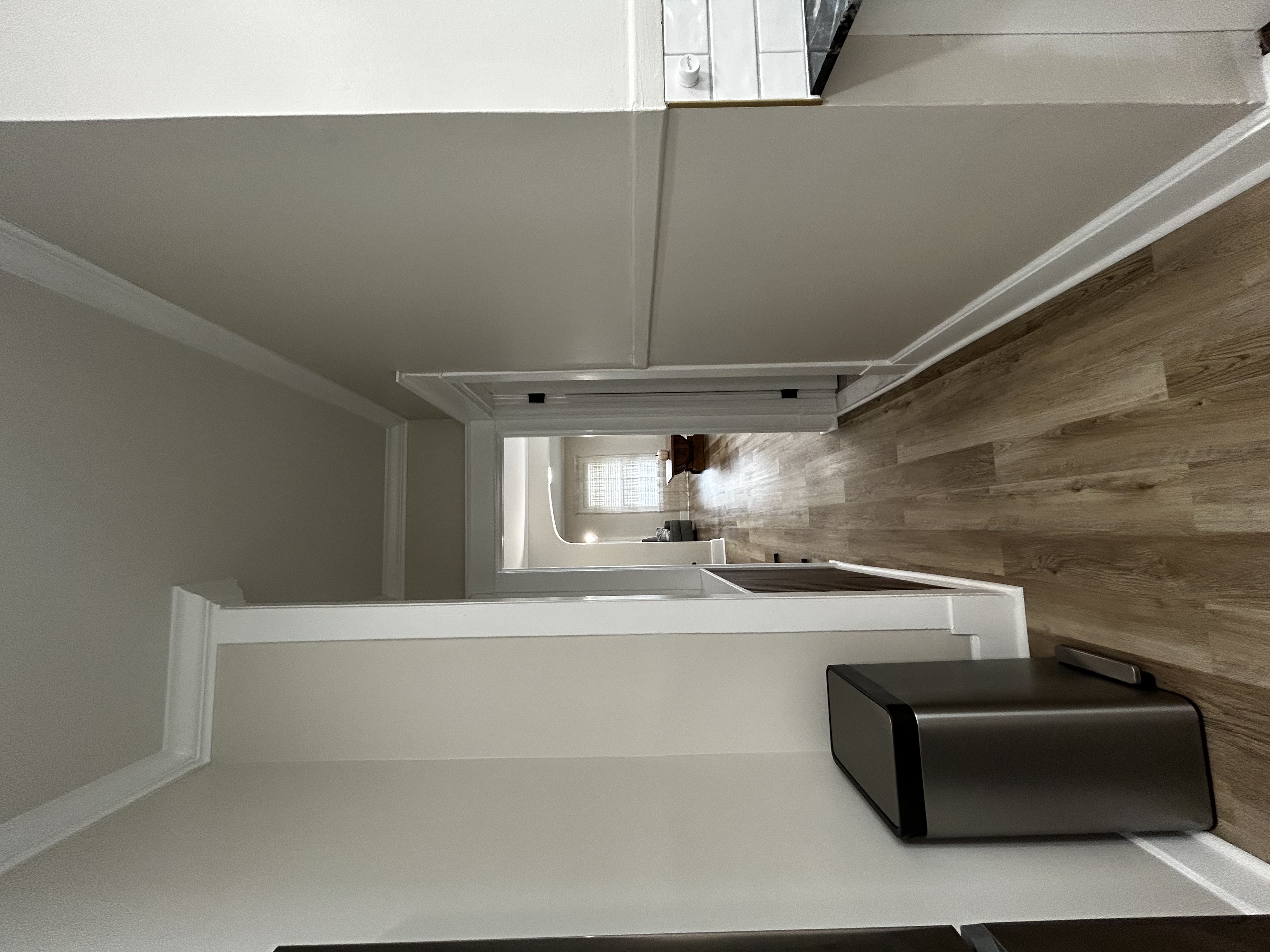
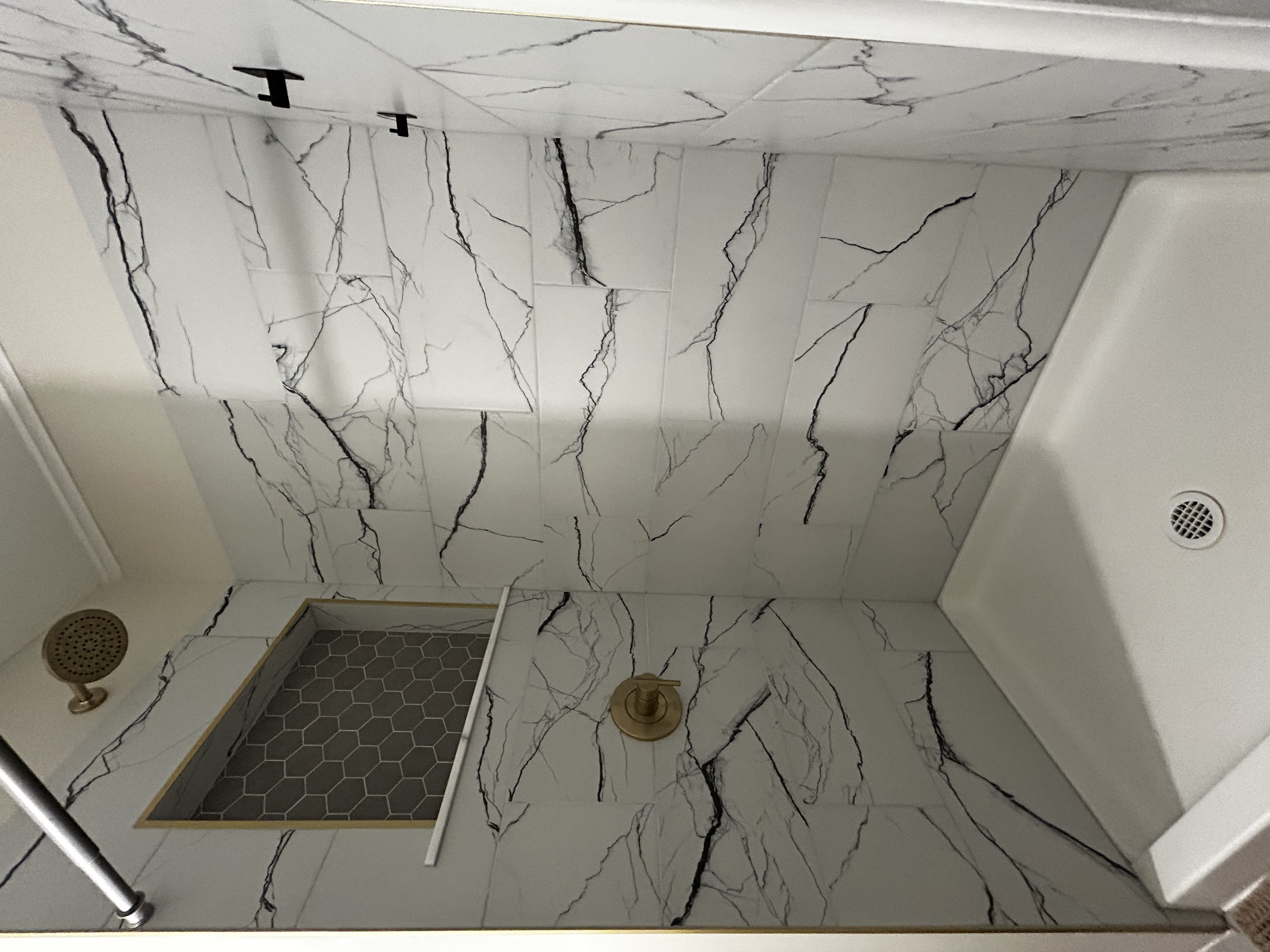
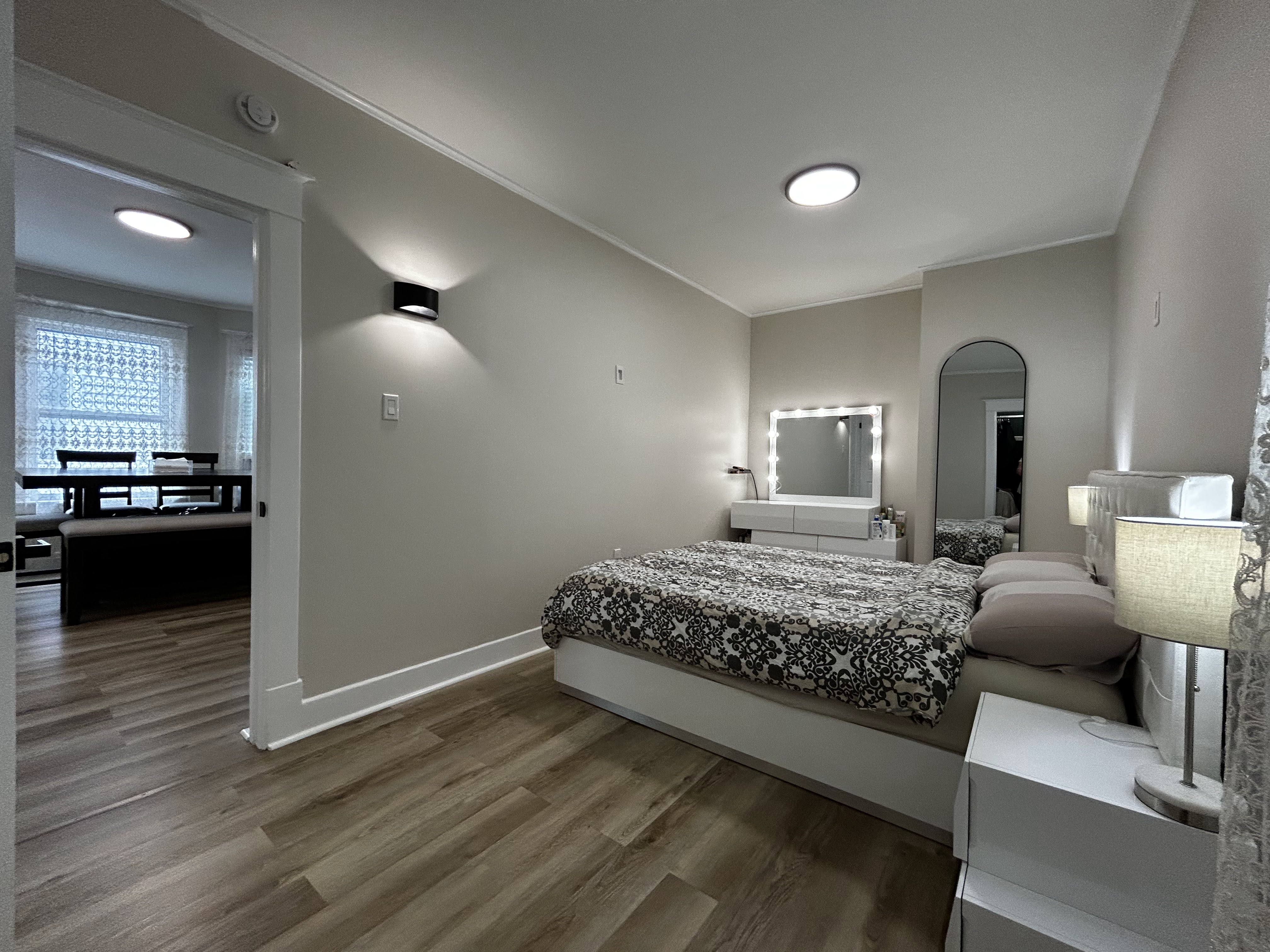
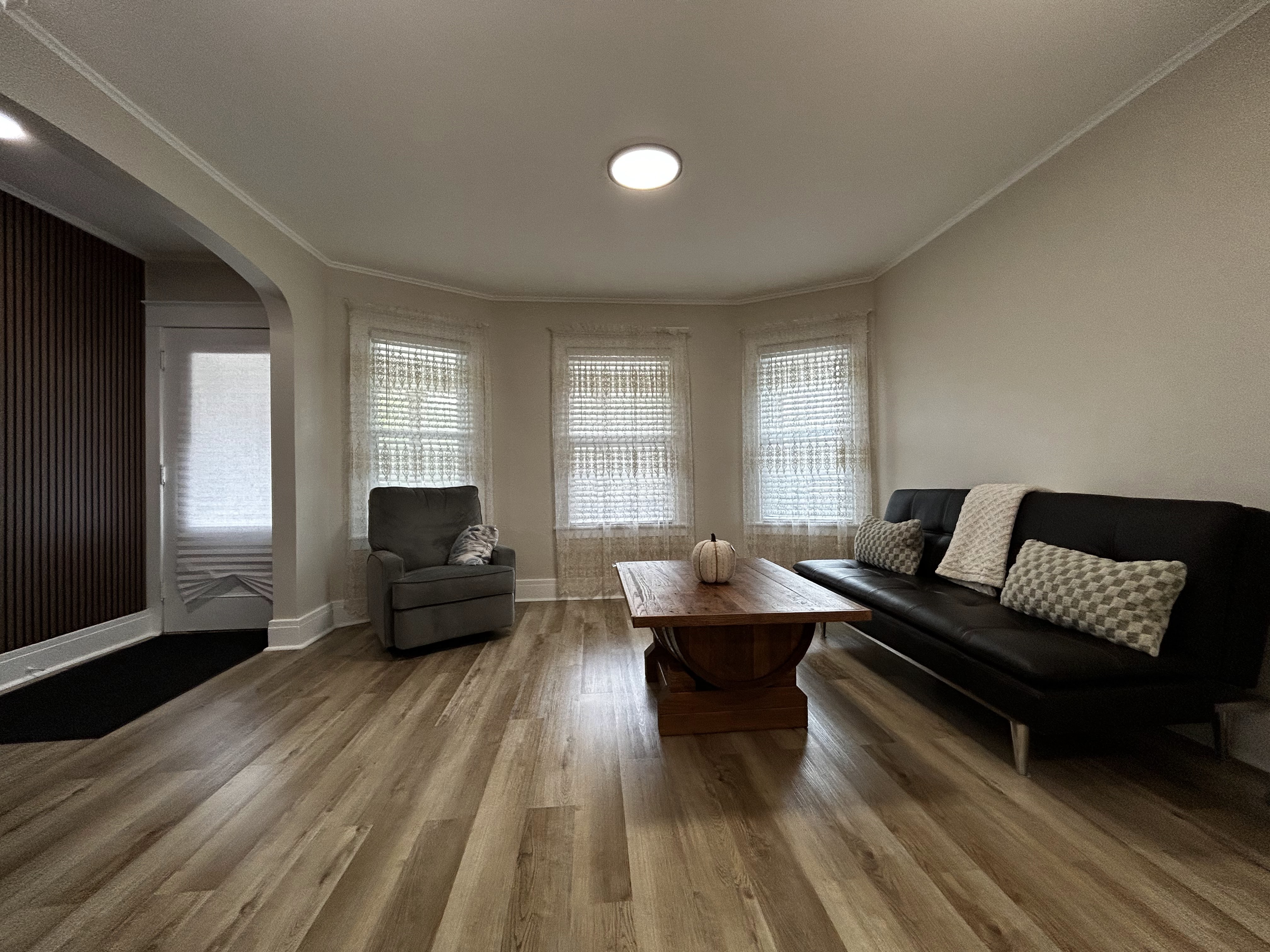
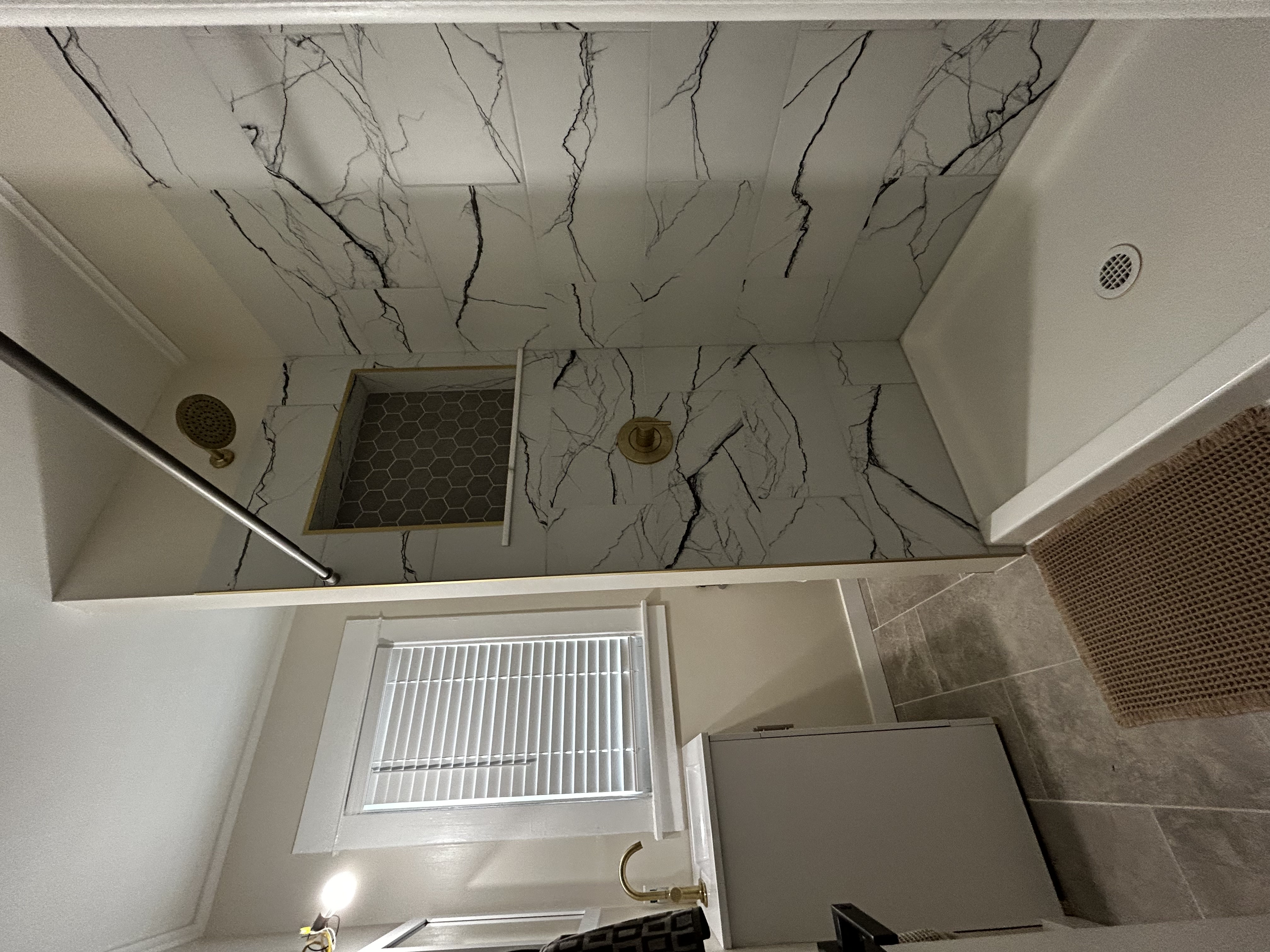
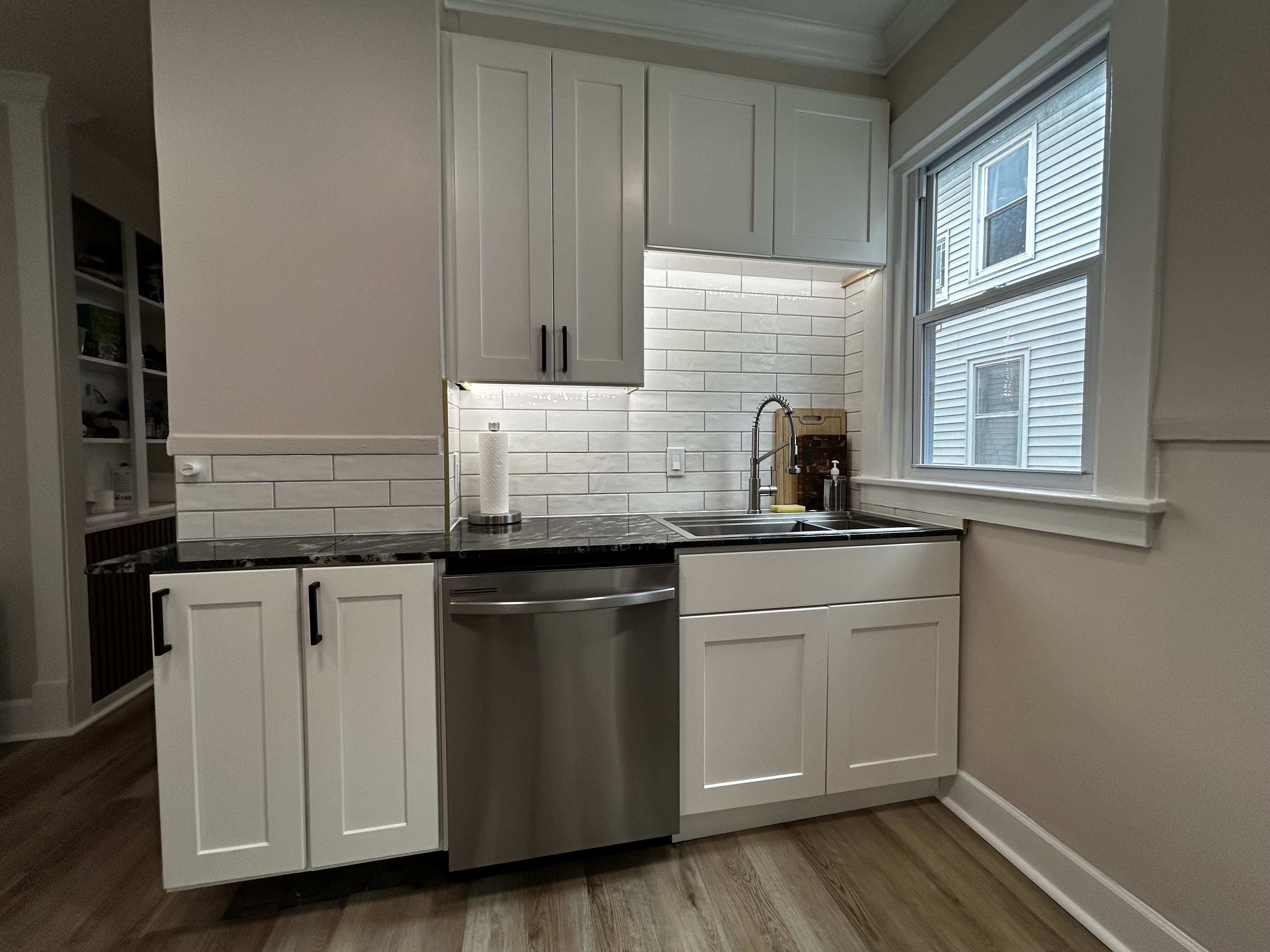
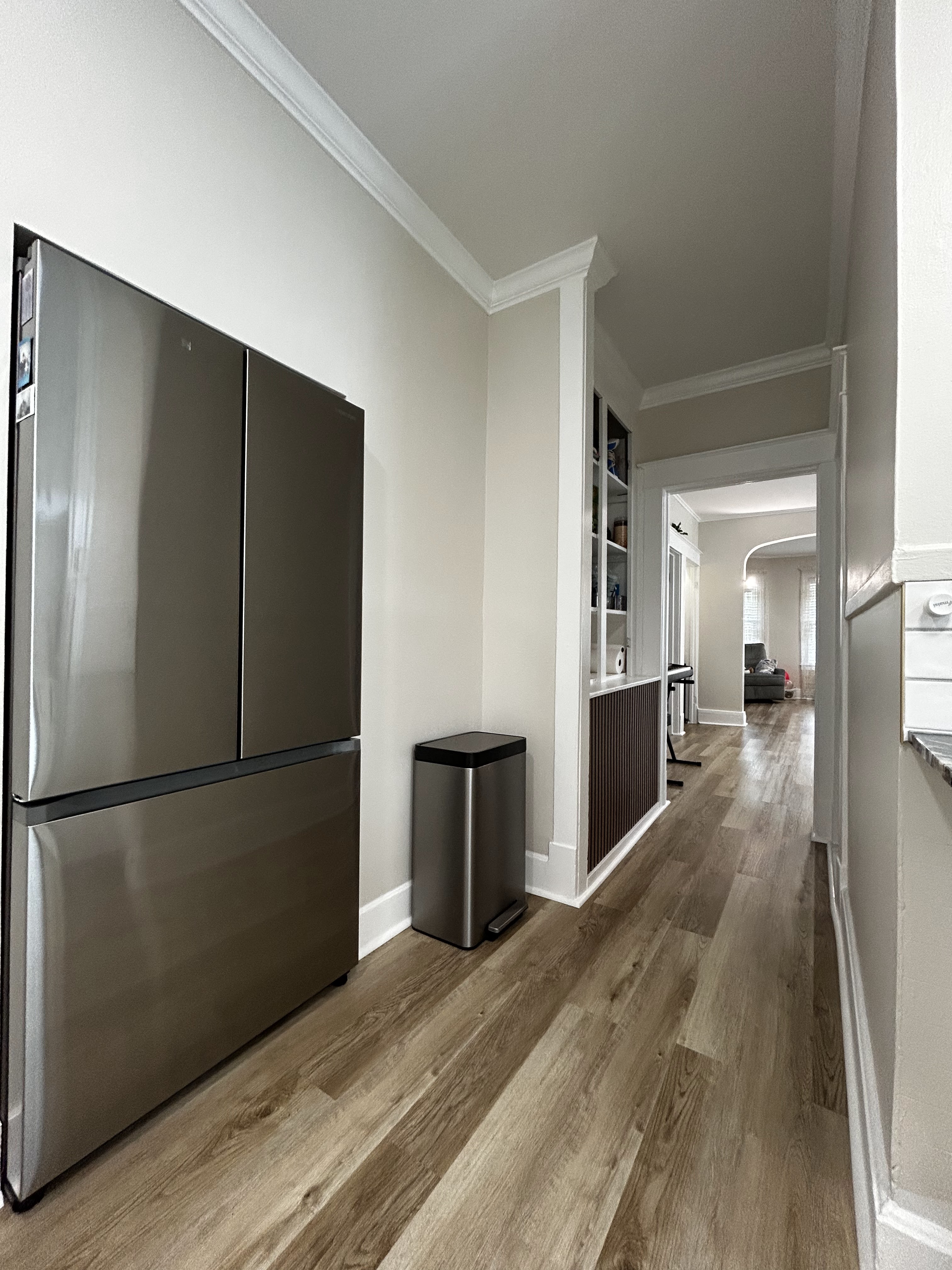
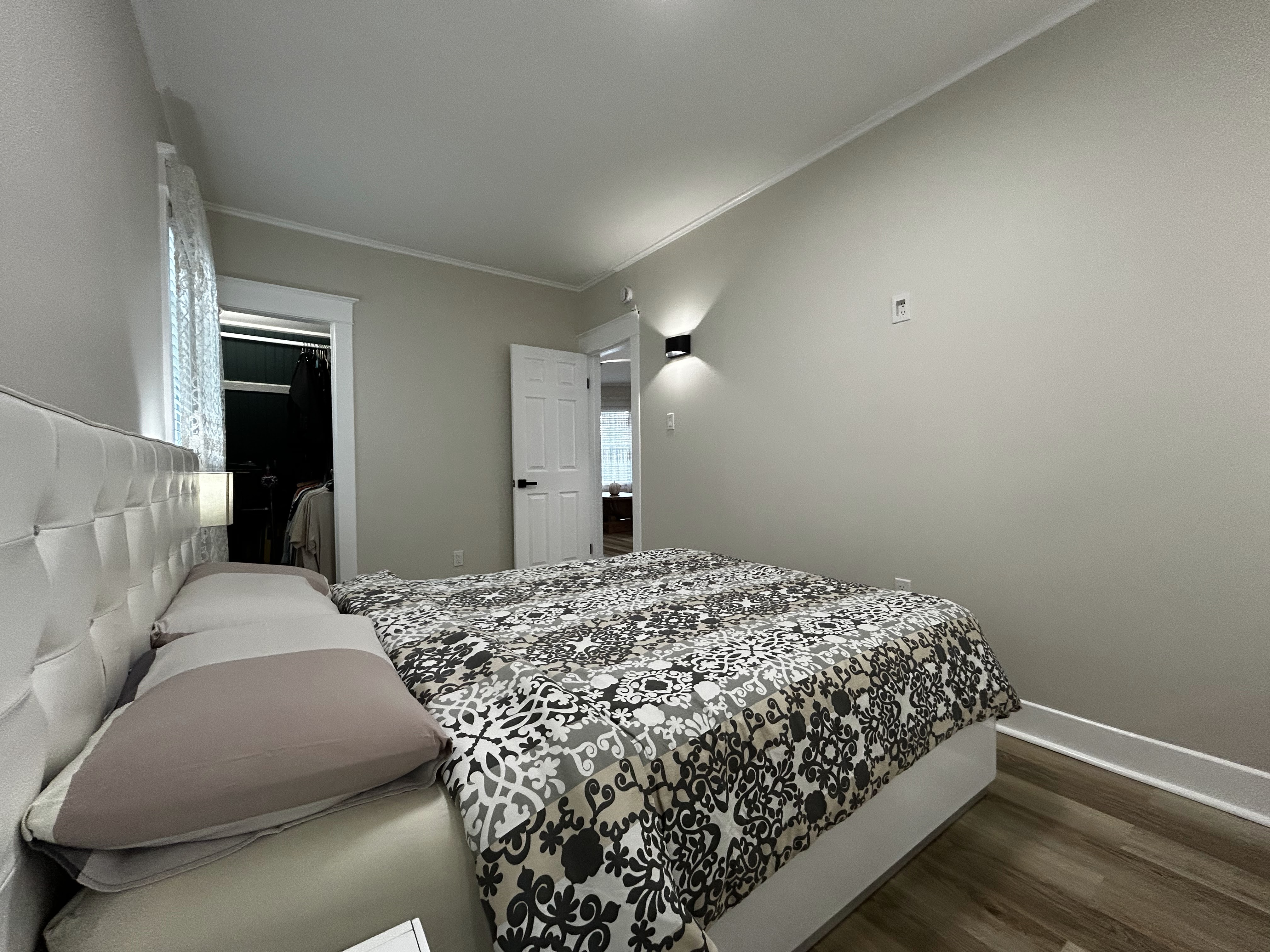
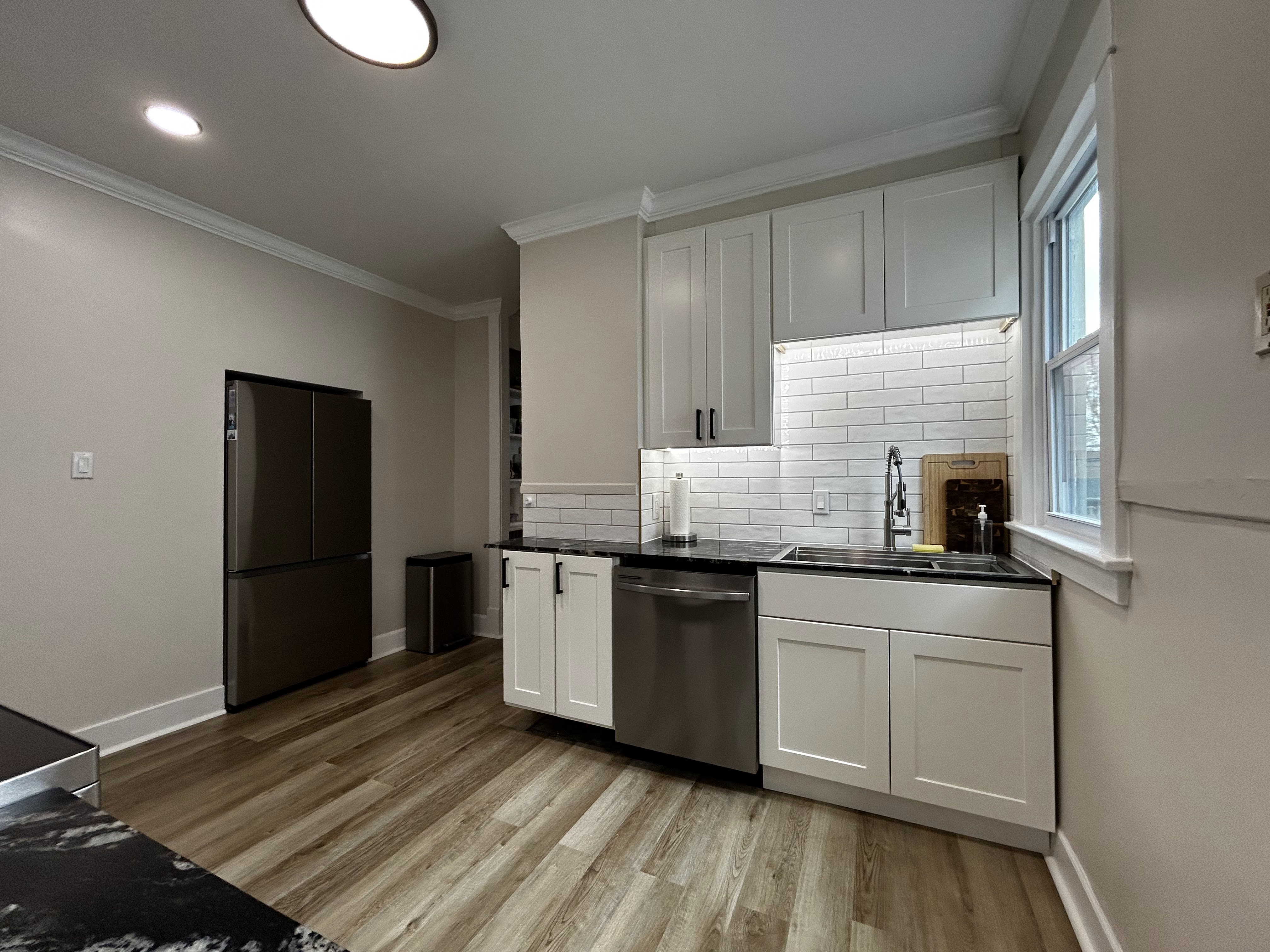
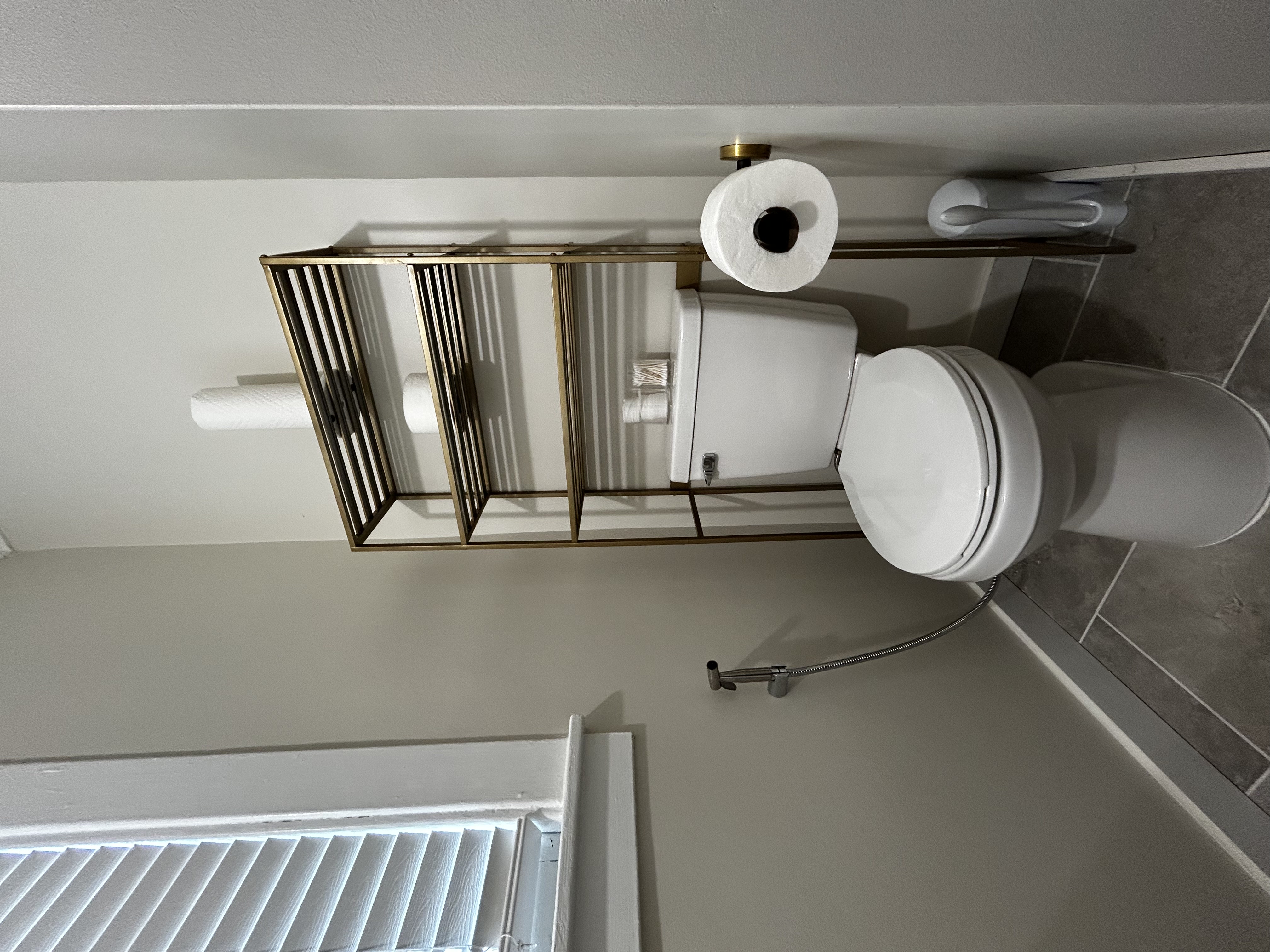
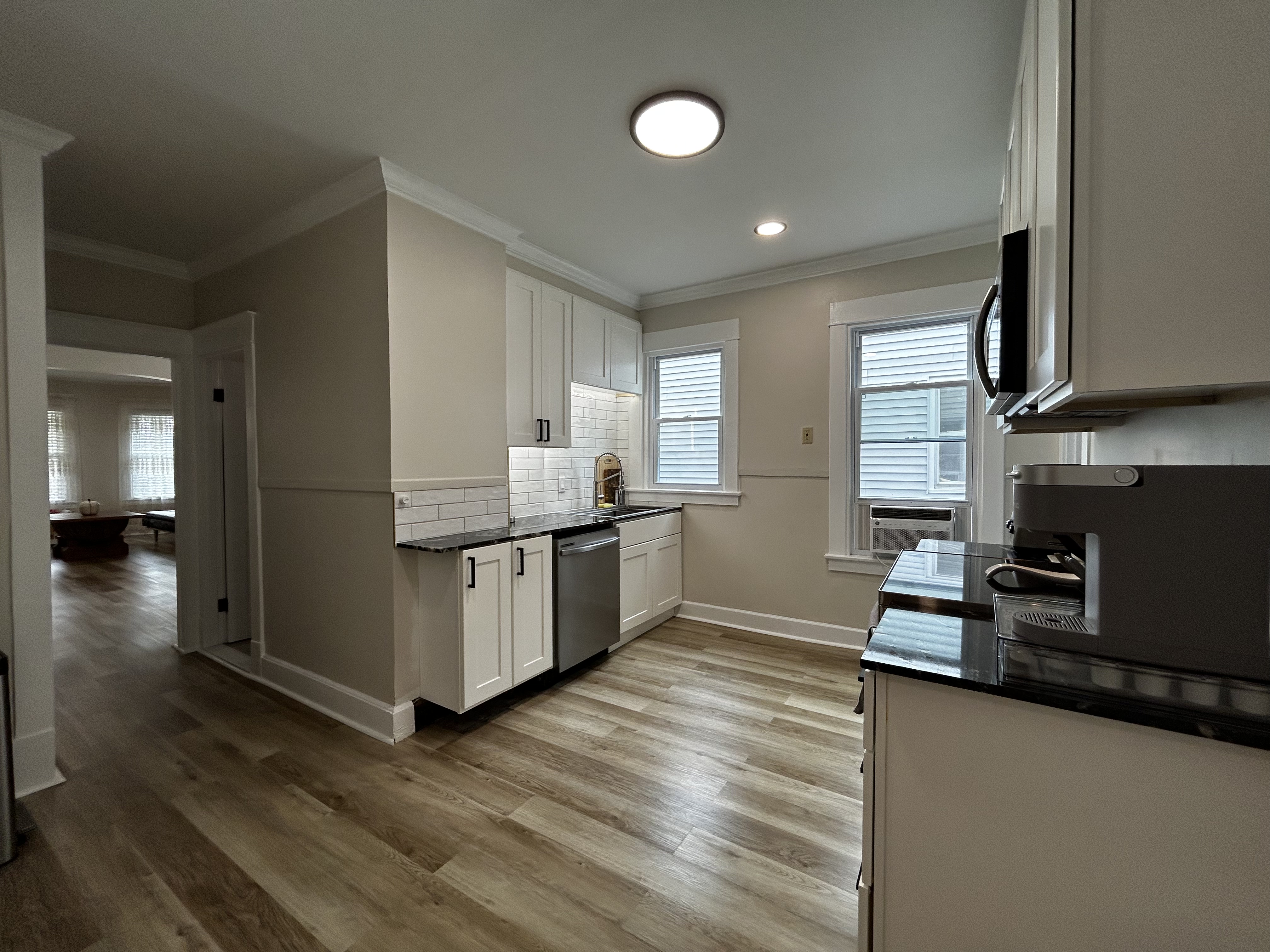
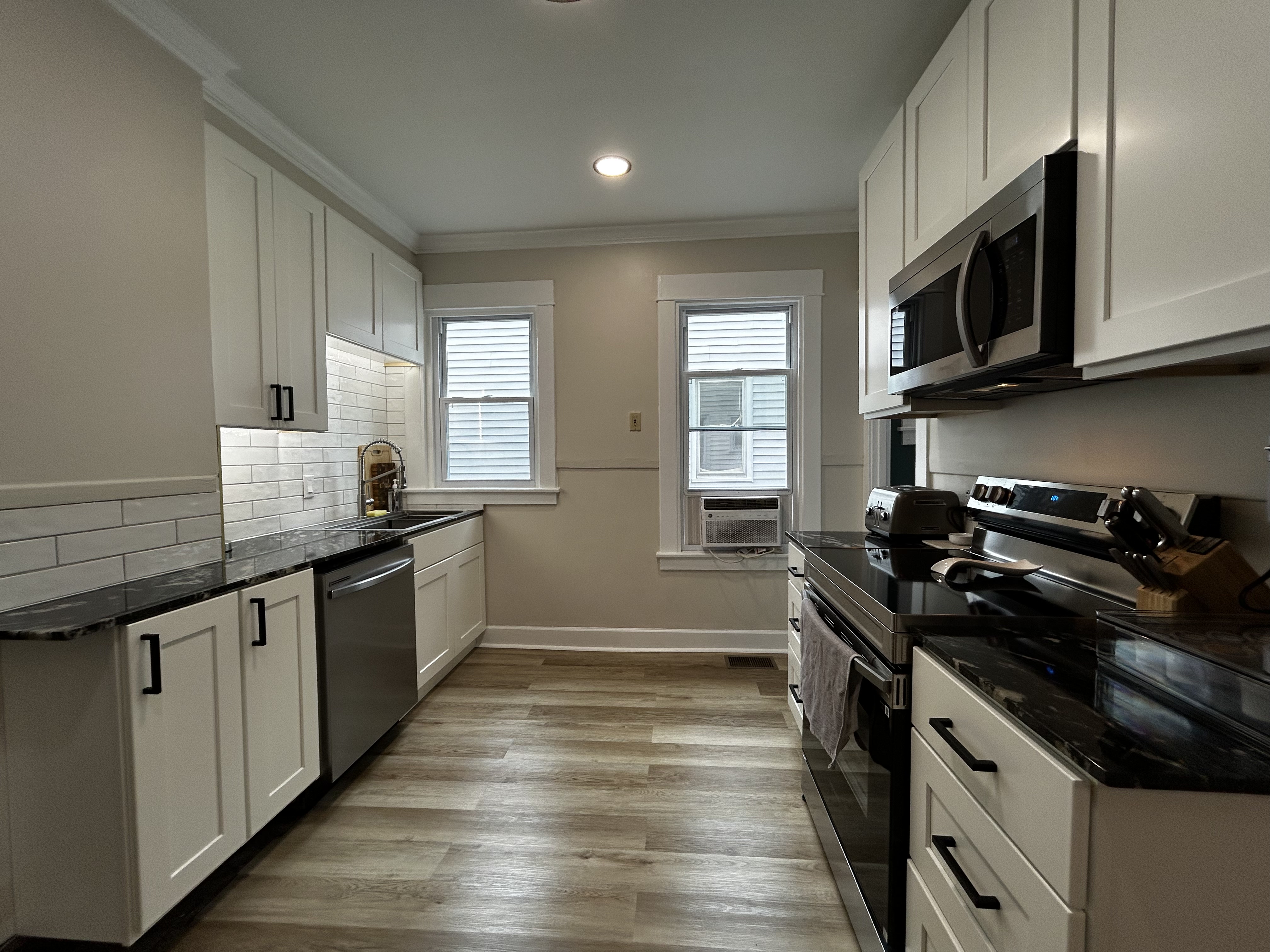
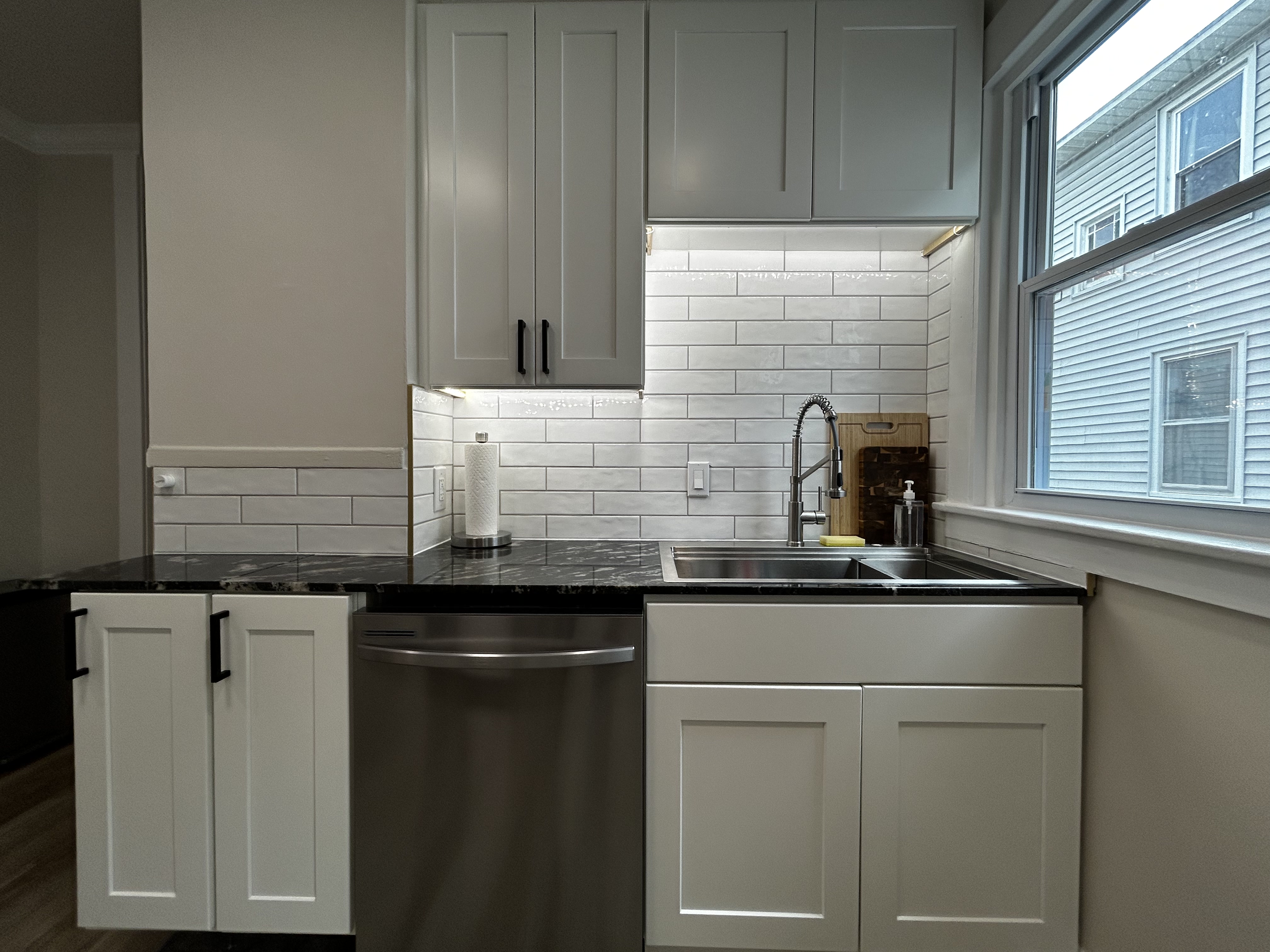
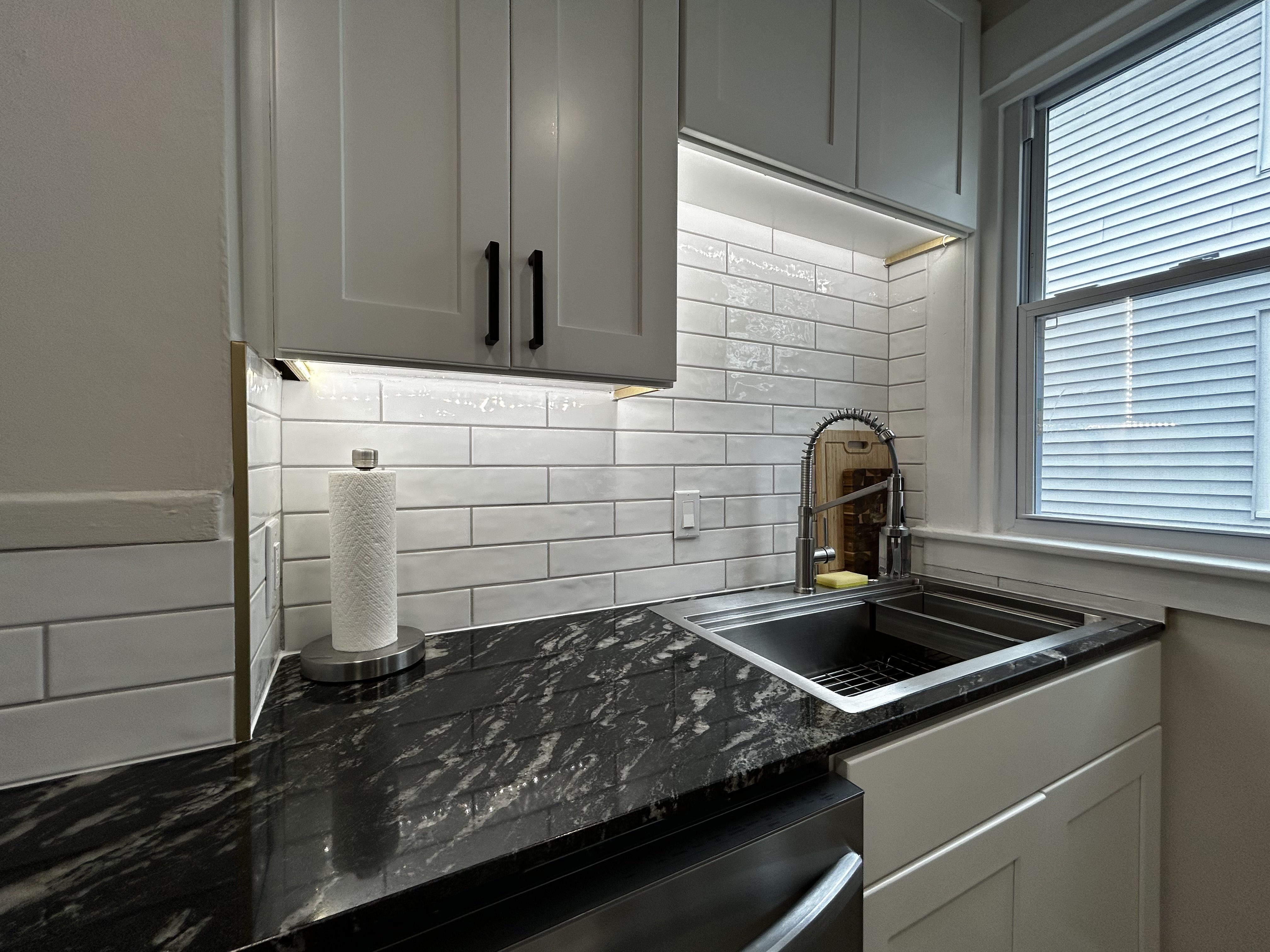
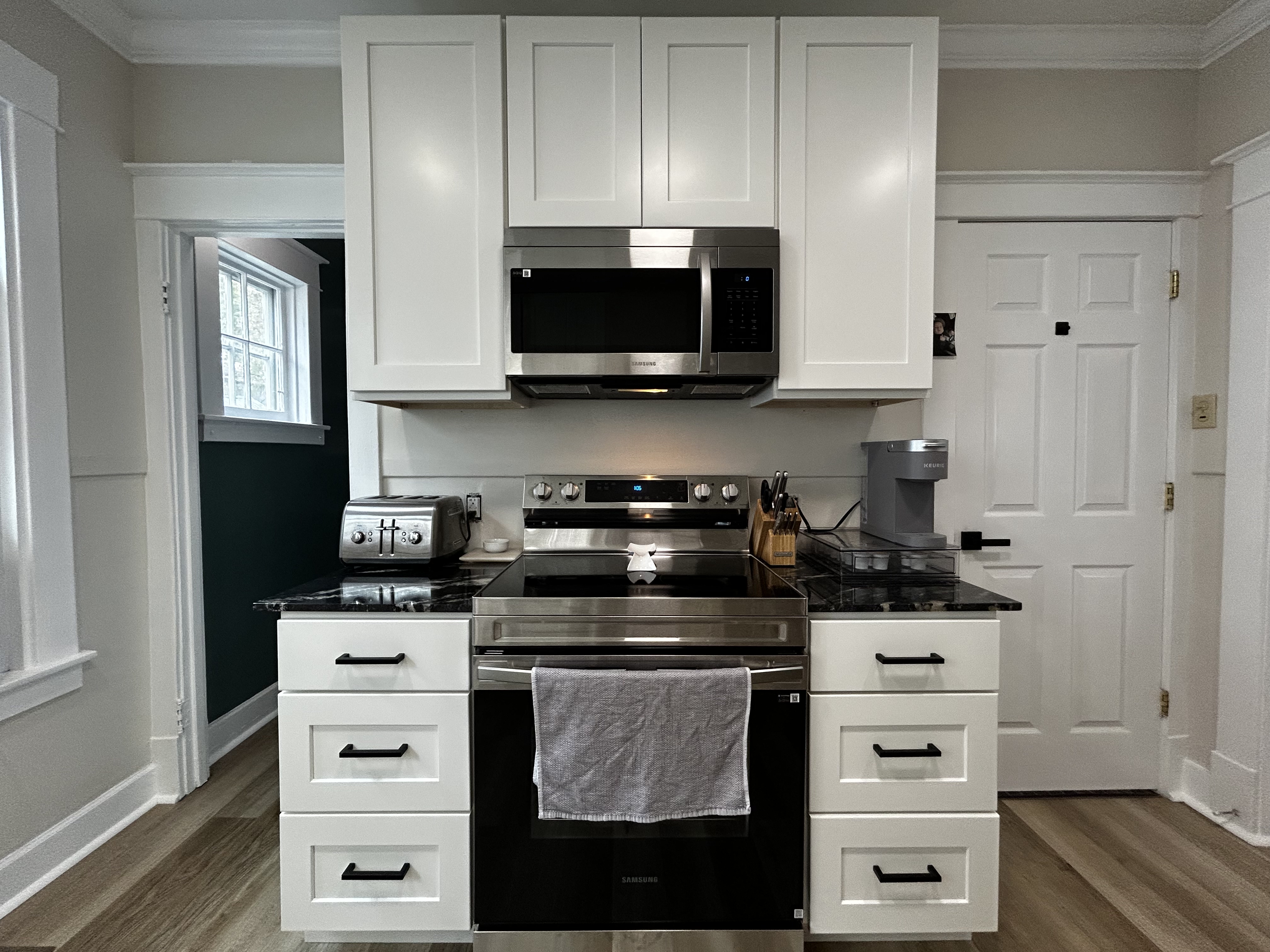
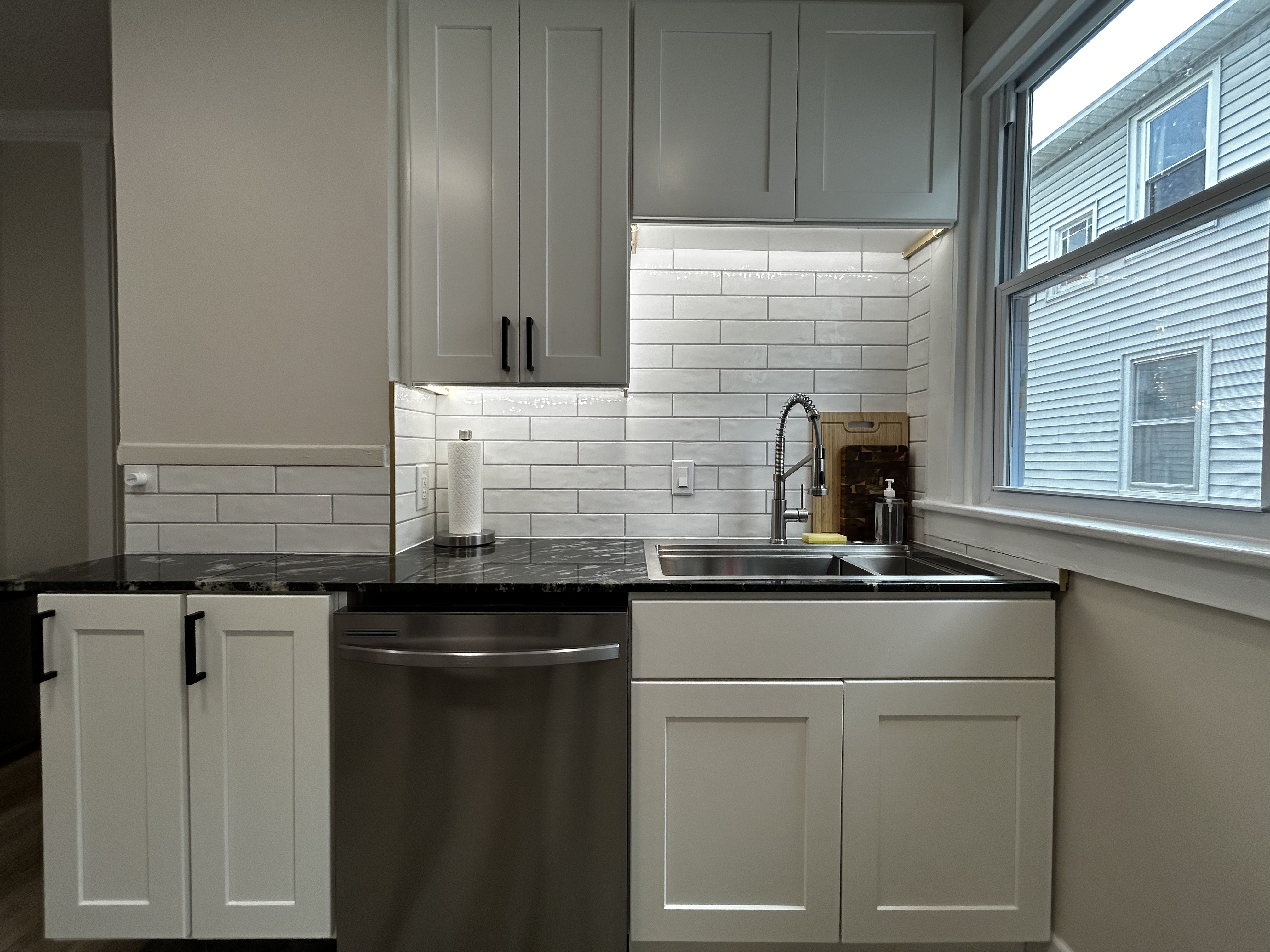
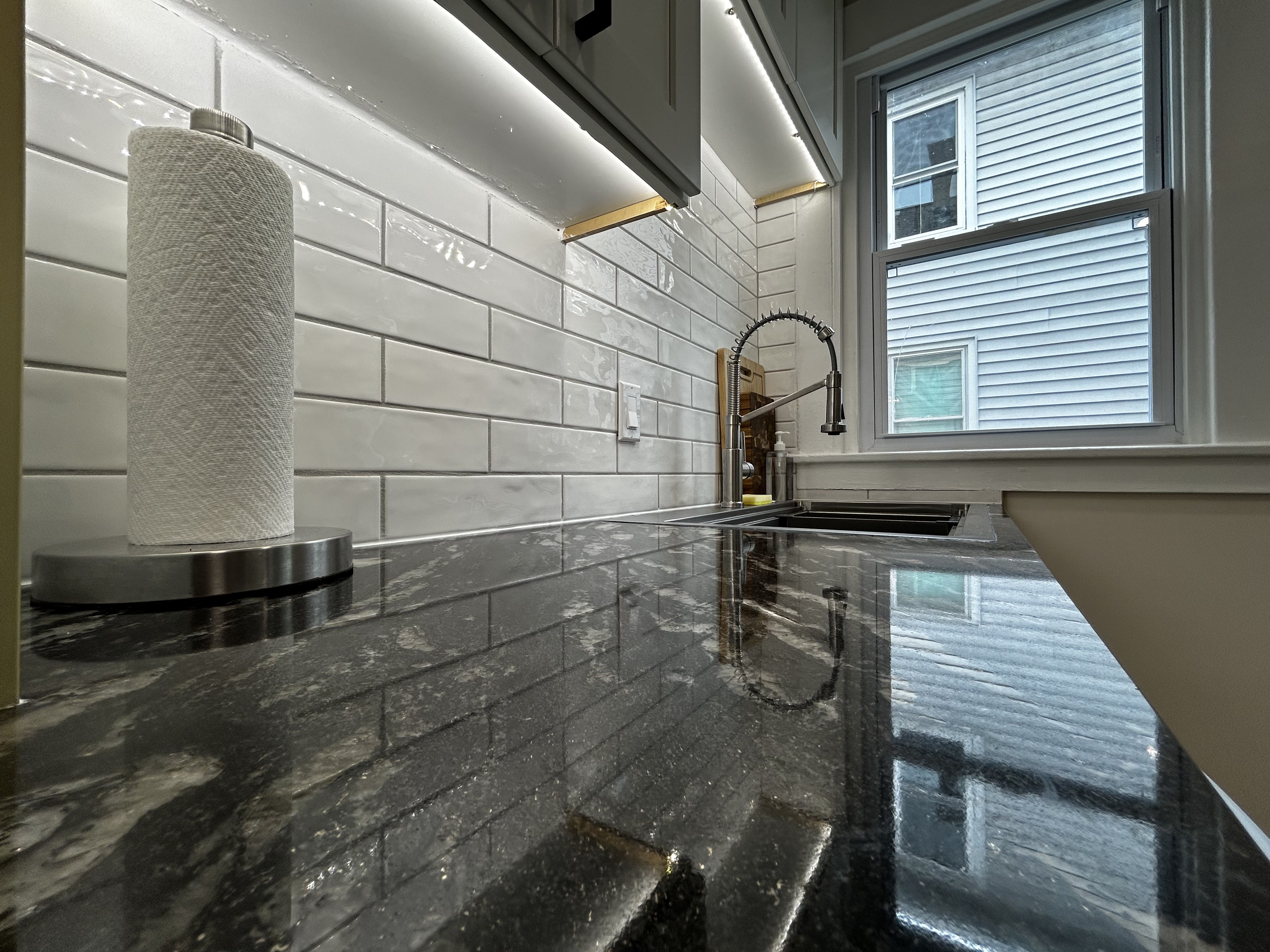
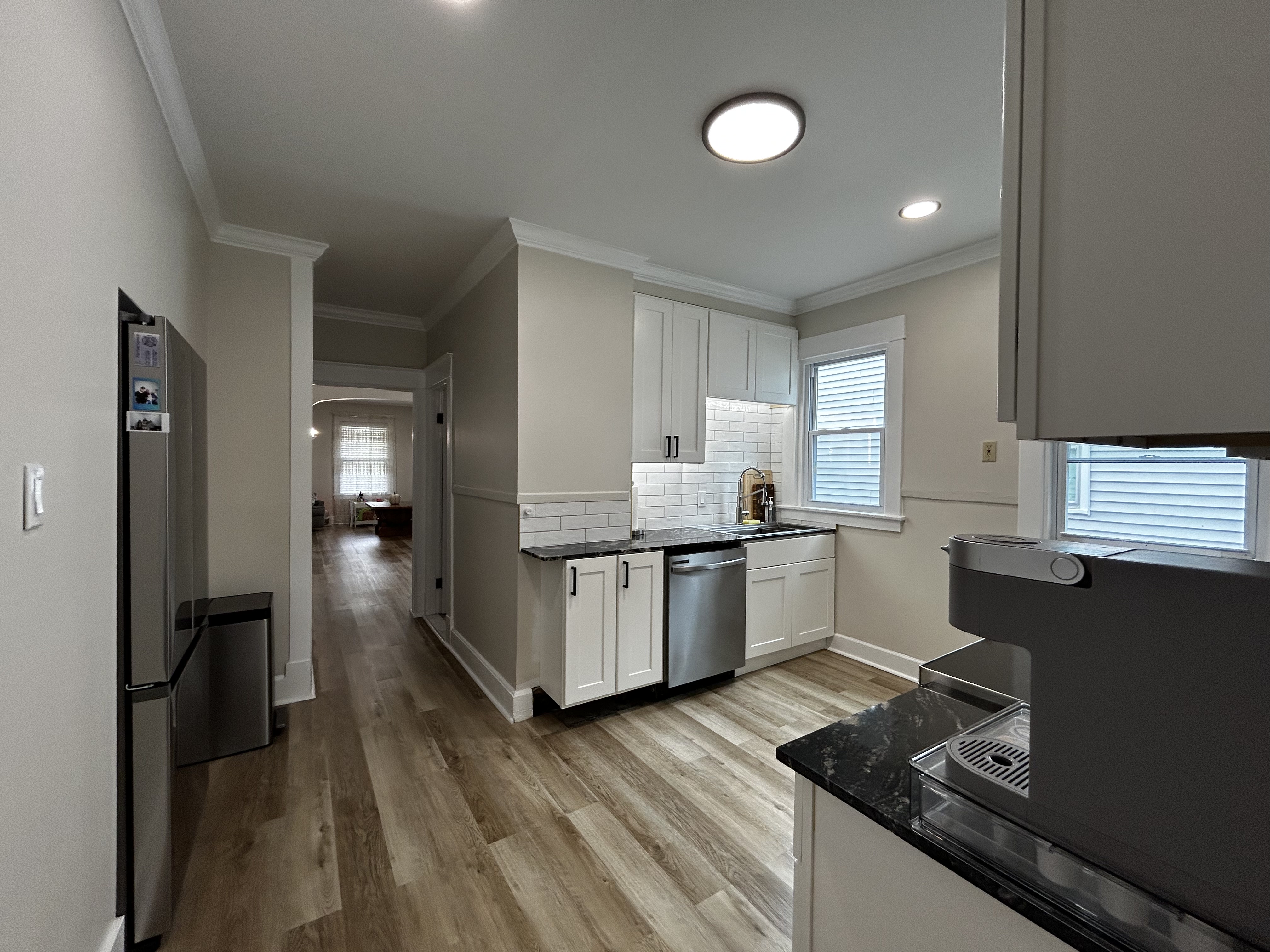
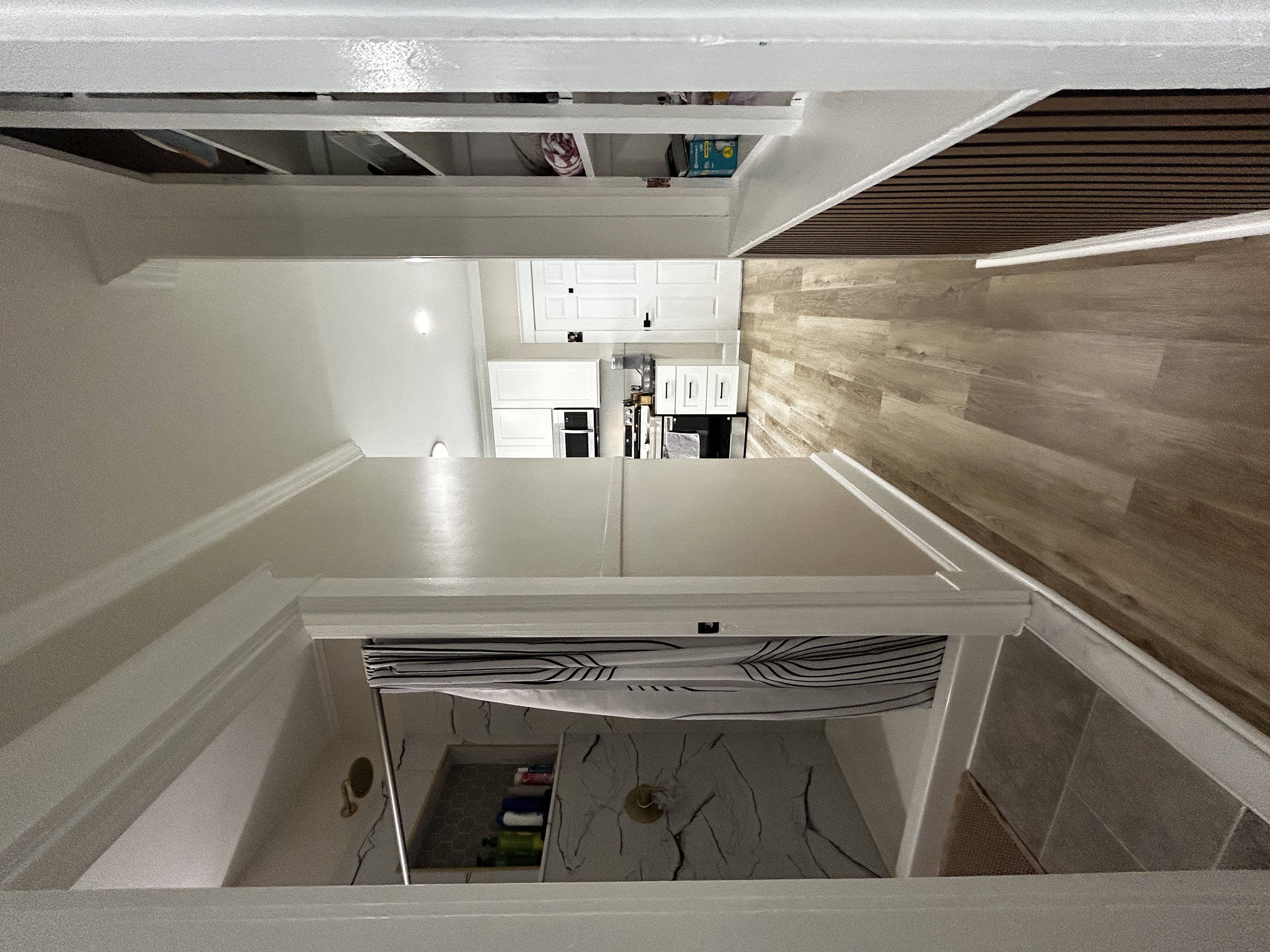
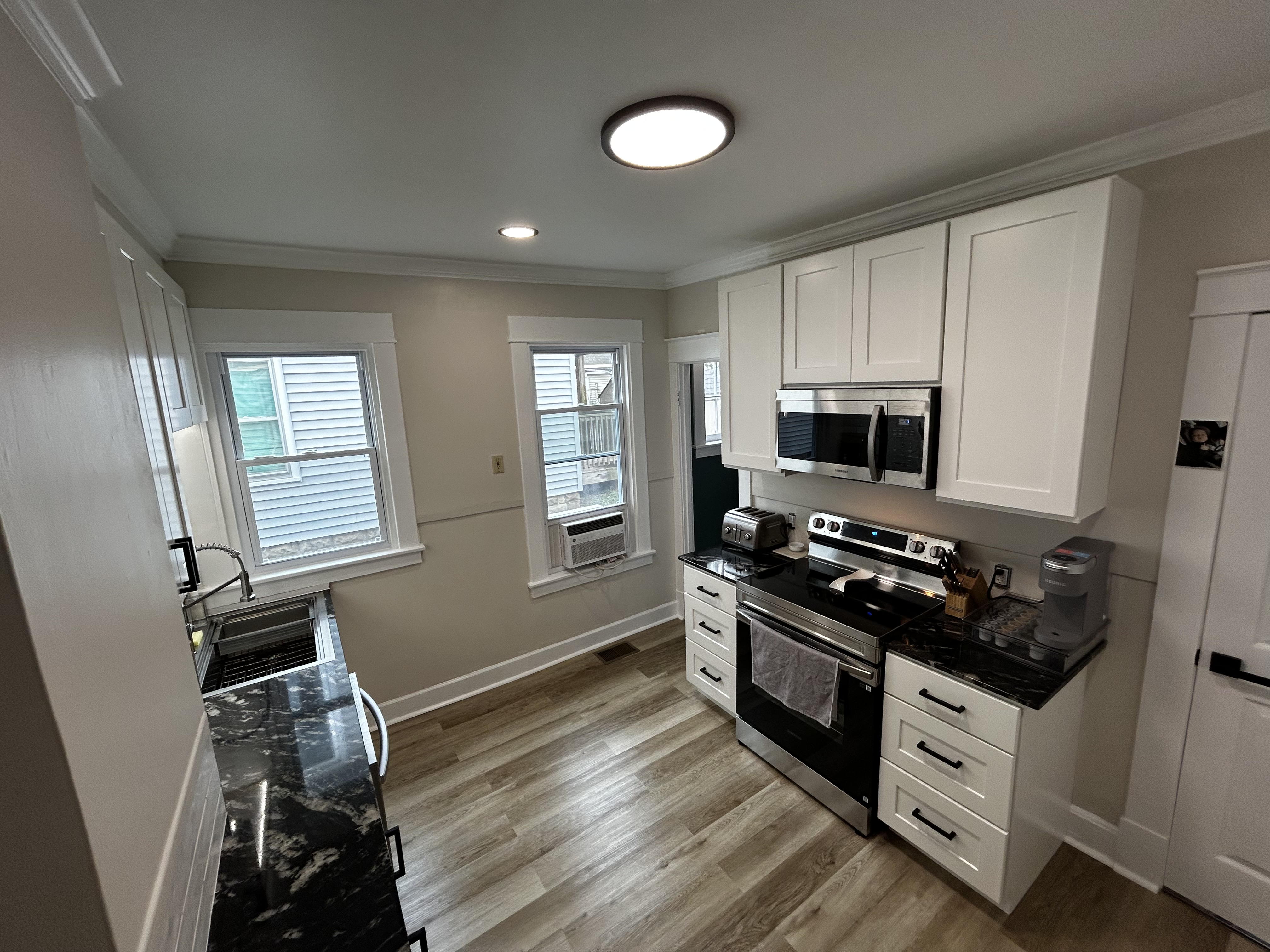
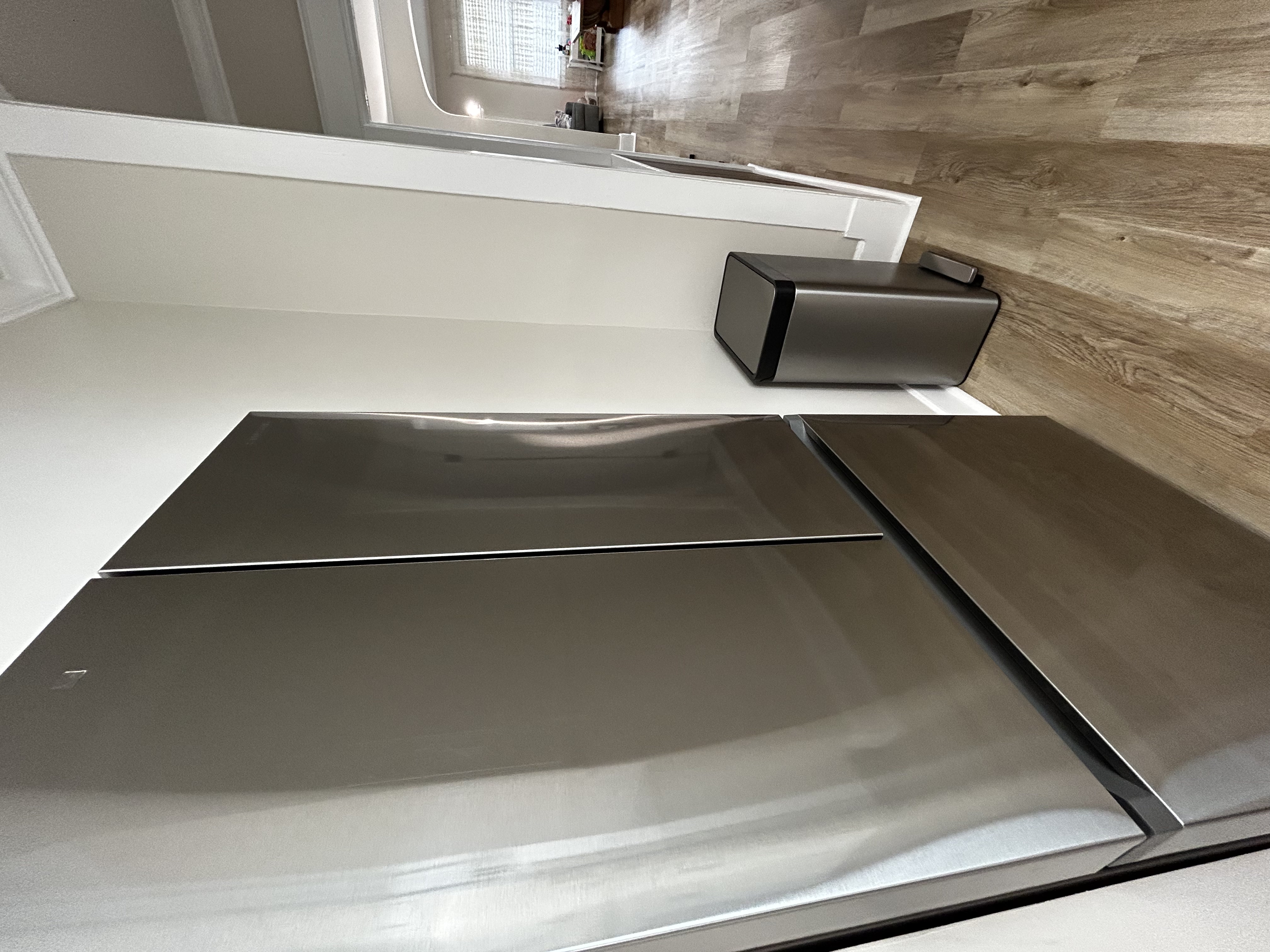
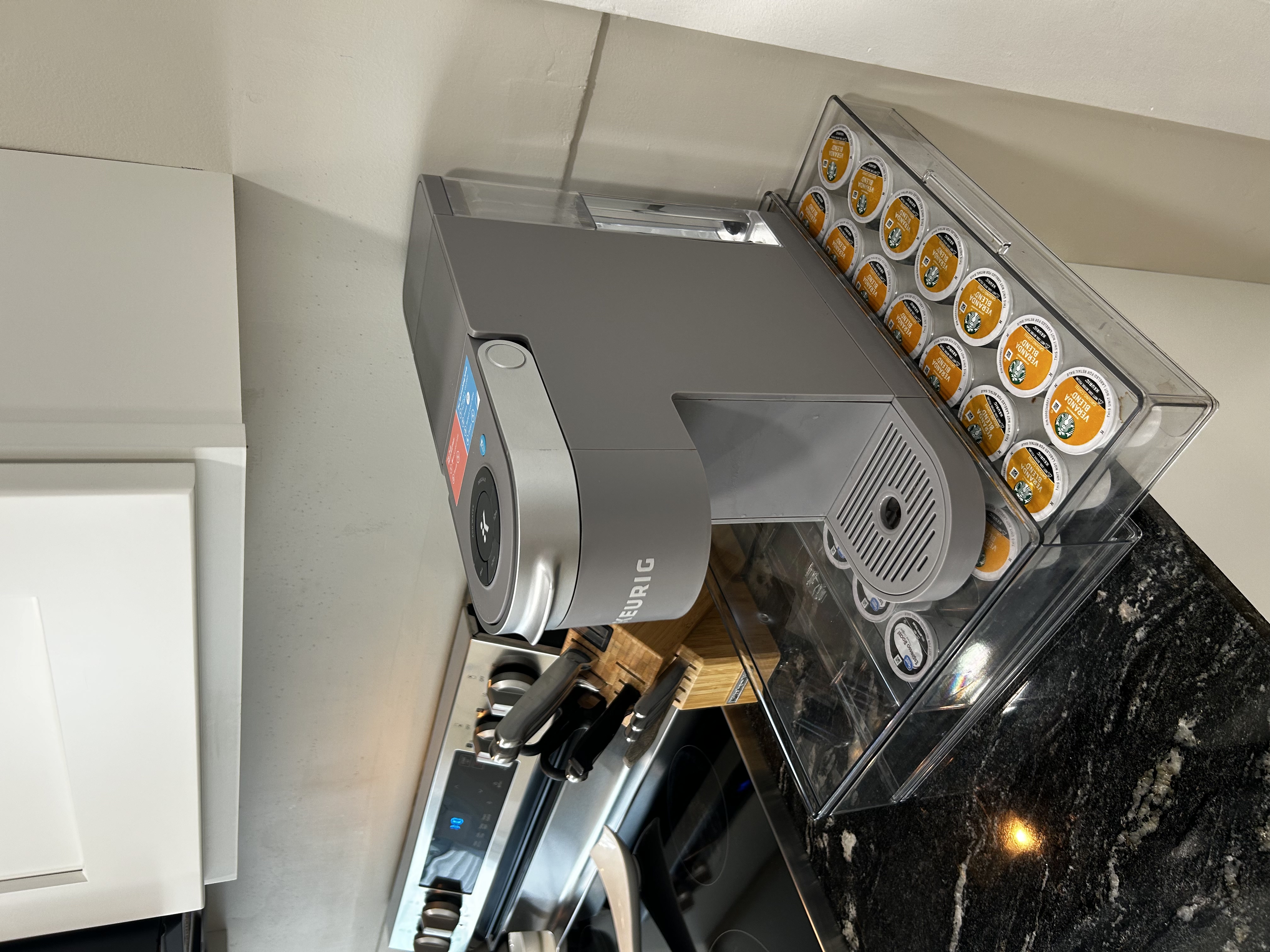
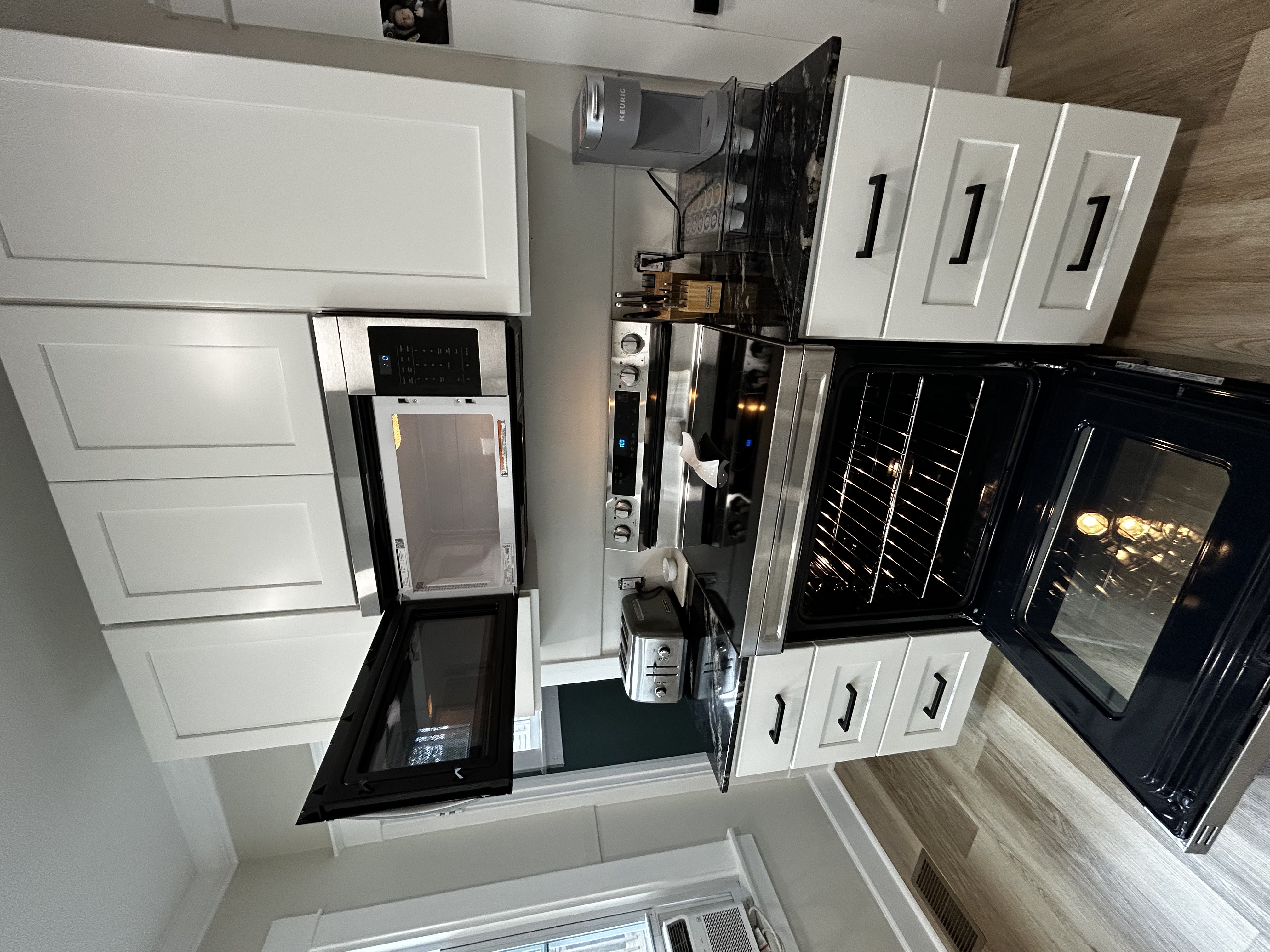
What the renovation produced was a clean, modern, well-appointed two-bedroom apartment. Every finish decision was made through one lens - would a traveling professional feel genuinely comfortable living here for a few months?
Blackout shades went on all bedroom windows. This detail matters more than people expect. Traveling healthcare workers often work overnight or rotating shifts. Window treatments that actually block light aren't a luxury in an MTR unit - they're an expectation.
The furnishings were functional and comfortable, not flashy. A meaningful portion of what goes into an MTR unit can be sourced in good condition and at a cost-effective price through Facebook Marketplace or Amazon. The upfront furnishing investment for a unit this size runs roughly $3,000 to $5,000, although we were able to furnish this unit for less (~$2,600) through tactful bargain shopping.
The design principle is simple: if it looks like a nice apartment someone would be proud to live in, you're in the right territory. If it feels like a luxury vacation rental, you've gone too far.
We also stocked the unit with starter household supplies - soaps, paper towels, toilet paper, shower basics - totaling about $90. A small detail. But for a tenant arriving in a new city with two suitcases, it signals something: this landlord actually thought about you.
The Numbers
Is Your Unit a Candidate?
Probably more than you'd think.
You don't need a full renovation to enter the MTR market. What you need is a unit that is clean, modern, comfortable, and genuinely move-in ready. For many landlords, the path there is a thoughtful cosmetic refresh (modern paint scheme, updated fixtures, a lighting upgrade, and furnishings that don't have to be expensive to look good).
The variables that determine whether MTR makes sense for a given property: unit condition, proximity to employment centers (hospitals, university campuses, corporate office clusters), and your bandwidth for the slightly more active setup that a furnished rental requires upfront.
The tenant pool is here. Saratoga Hospital alone was generating multiple qualified applicants in the same week for a single Schenectady unit. That’s a structural tenant market most local landlords haven't tapped into yet.
If you have a vacancy coming up, a lease ending soon, or a unit that's been sitting below market, it may be worth a real conversation about whether this model fits your situation.
Three Ways to Go Deeper
If this case study has you thinking, here's where to go next:
Just getting curious?
Download the MTR Starter Toiletry Checklist - the exact products and quantities we stock every unit with, with direct purchase links included. Total cost to execute: about $90. It's the smallest detail in the MTR playbook and the one most often overlooked.
[Download the Free Checklist]
Ready to see the full renovation?
Request the Renovation Design Booklet for this specific unit - paint colors, cabinet selections, countertop specs, hardware, lighting fixtures, and window treatments, all with product links and prices pulled directly from our project records. This resource comes from me directly and is available on request.
[Request the Design Booklet from Colin Young]
Want to know If your unit qualifies?
Reach out for a Free MTR Unit Feasibility Assessment. We'll take a look at your property, your location, and your current situation and give you a straight read on whether medium-term rental positioning makes sense - and what it would realistically take to get there.
[Request a Free Feasibility Assessment]
Colin Young is a licensed real estate agent at Hamel Real Estate and a Schenectady-based real estate investor specializing in value-add multifamily renovation and alternative rental strategies. He approaches investment property through a design and hospitality lens - focused on repositioning units to command premium rents while building long-term portfolio value. To correct directly:
📞 518-221-6236 | 🌐 coIingyoung.co
